Picking the right roll-off dumpster makes waste management at your event smooth and stress-free. With several sizes and options, knowing what you need saves time and money. This guide covers the essentials—size, cost, permits, and how rentals work—so you can plan confidently. Estimating waste and rental fees are common pain points for event planners; this practical guidance helps you choose and rent the best dumpster for your event from JOTS Rentals.
What Roll-Off Dumpster Sizes Are Best for Different Event Types?
Dumpster size matters: choosing the right unit prevents overflow and unexpected fees. Events produce different kinds and amounts of waste, so matching dumpster capacity to your event keeps the site tidy. Roll-off dumpsters typically come in 10-, 15-, 20-, 30-, and 40-yard sizes—each fits a different event scale and material mix.
How to Match Dumpster Size to Event Waste Volume
Start by estimating how much trash your event will generate, considering event type and expected headcount. A small private gathering often needs a 10-yard dumpster, while large festivals or construction-adjacent events may require a 30- or 40-yard unit. For a quick check, online waste-volume calculators can help you judge how much space your materials will take.
If you prefer a consistent, repeatable approach to estimating waste, established methodologies exist to guide those calculations.
Standardized Waste Volume Estimation Methodology
This document outlines the method used to calculate waste-volume estimates for site characterization and remedial design/remedial action work at DOE Field Office, Oak Ridge (DOE-OR) facilities. The standardized approach helps ensure consistent waste estimates across sites and organizations involved in environmental restoration activities.
Methodology for generating waste volume estimates, JQ Miller, 1991
What Are the Common Dumpster Size Options and Capacities?
Typical dumpster sizes and when to use them:
- 10-Yard Dumpster: Best for small cleanouts or minor renovations; holds roughly 1–2 tons of debris.
- 20-Yard Dumpster: A solid choice for medium renovations or larger cleanouts; roughly 3–4 tons capacity.
- 30-Yard Dumpster: Ideal for major remodels or large clear-outs; typically around 5–6 tons.
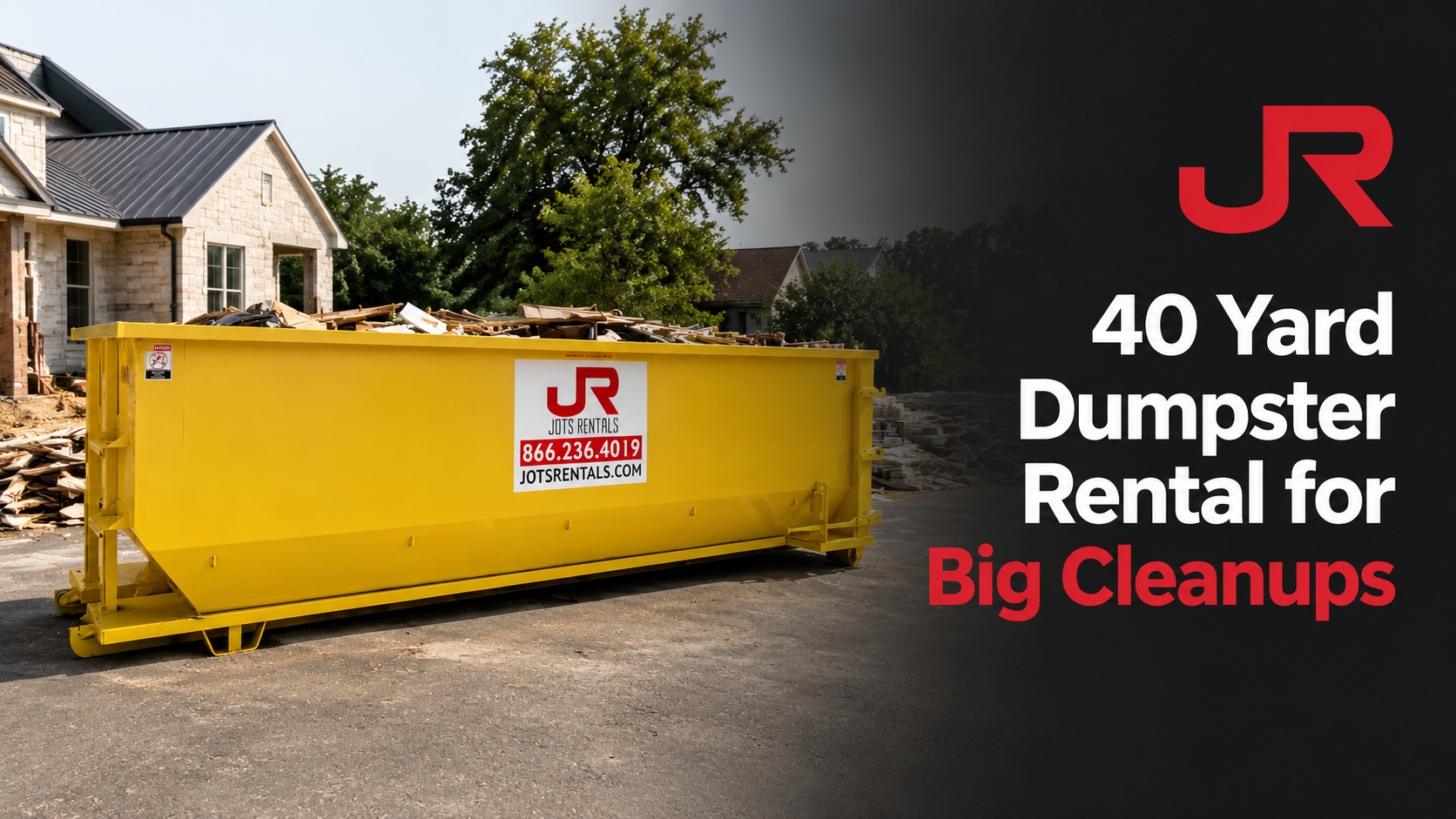
- 40-Yard Dumpster: Built for big construction jobs or large-scale events; can handle about 7–8 tons of debris.
Use these guidelines to match capacity to your project and avoid overage charges.
How Much Does Dumpster Rental Cost for Events and Parties?
Rental prices vary by size, rental length, and location. As a ballpark, renting a 20-yard dumpster often ranges from $300 to $600. Knowing how fees break down helps you budget accurately for your event.
What Factors Influence Dumpster Rental Pricing?
Key cost drivers to keep in mind:
- Base Rental Rate: The core fee for the dumpster, which depends on size and provider.
- Tonnage Allowance: Rentals include a weight limit; going over it usually triggers extra charges.
- Rental Period: Longer rental windows typically cost more than short-term drops.
- Location and Disposal Fees: Local disposal rates and transportation affect the final price.
How to Budget Effectively for Your Dumpster Rental
Practical tips to keep costs steady:
- Estimate Debris Volume: Accurately gauge how much waste you’ll create so you pick the right size.
- Choose the Right Size: Selecting the correct dumpster upfront helps avoid overage fees and last-minute rentals.
- Understand Pricing Components: Read the rental terms so you know about potential extra charges for weight or extended days.
What Are the Permit and Regulation Requirements for Dumpster Rentals?
Knowing permit rules prevents fines and delays. Whether you need a permit depends on where you place the dumpster and local ordinances.
When Is a Permit Required for Roll-Off Dumpster Placement?
You usually need a permit if the dumpster will sit on public property—streets, sidewalks, or curbs. To get a permit, take these steps:
- Contact Local Government: Call your city or county office to confirm rules and requirements.
- Submit Application: Complete the forms and supply the placement details requested.
- Pay Permit Fees: Be ready to cover any permit costs required by your municipality.
How to Obtain Permits for Dumpster Rentals at Event Locations
Follow these steps to secure a permit for an event location:
- Contact City Hall: Start with your local municipal office to learn the process and timeline.
- Provide Placement Details: Describe the exact location and how long the dumpster will be onsite.
- Display Permit Notice: After approval, place the permit where it’s visible at the dumpster site.
How to Rent a Roll-Off Dumpster from JOTS Rentals for Your Event
Renting from JOTS Rentals is straightforward—designed to get the right dumpster to your event quickly and professionally. They focus on event needs so you have dependable options for managing waste on site.
What Is the Rental Process and Available Rental Periods?
Typical steps when renting from JOTS Rentals:
- Contact JOTS Rentals: Reach out to discuss your event’s needs and available options.
- Receive a Quote: JOTS provides a clear quote that outlines costs and included services.
- Schedule Delivery and Pickup: Confirm delivery and pickup dates once you approve the rental.
What Customer Support and Services Does JOTS Rentals Offer?
JOTS Rentals supports event planners with:
- 24/7 Emergency Support: Help is available day or night for urgent issues.
- Clear Communication: The team keeps you informed from booking through pickup.
- Local Expertise: They know event logistics and provide solutions that fit your site.
Follow these recommendations and you’ll pick a roll-off dumpster that fits your event’s scale and schedule, keeping waste under control.
Frequently Asked Questions
Which types of waste can I put in a roll-off dumpster?
Roll-off dumpsters handle many common wastes—construction debris, household junk, yard waste, and most commercial trash. Hazardous items (chemicals, batteries, asbestos, etc.) are usually prohibited. Always check your rental company’s rules to avoid fees or regulatory problems.
How far in advance should I book a roll-off dumpster for my event?
Book at least one week before your event to give the rental company time to schedule delivery. For busy seasons or large events, reserve earlier to secure availability and allow adjustments if your needs change.
Can I keep the dumpster longer than the agreed rental period?
Yes—most companies, including JOTS Rentals, let you extend the rental. Extensions may cost extra, so contact the provider as soon as you know you need more time to avoid surprises.
What should I do if my dumpster overflows?
If the dumpster overflows, act quickly. Overflow can result in extra charges and possible violations. Arrange an additional pickup or rent a second dumpster if you expect more waste. Keeping trash contained prevents fines and keeps your event tidy.
Are there restrictions on where I can place a roll-off dumpster?
Yes. You typically cannot place a dumpster on public property without a permit (streets, sidewalks, curbs). Placing it on private property—driveways or yards—is usually easier. Always verify local rules and talk to your rental company about permitted placement.
What happens if I damage the dumpster during my rental period?
If damage occurs, notify the rental company immediately. Rental agreements usually spell out damage liability; you may be responsible for repair or replacement costs depending on the damage. Handle the dumpster carefully and follow the provider’s guidance to reduce risk.