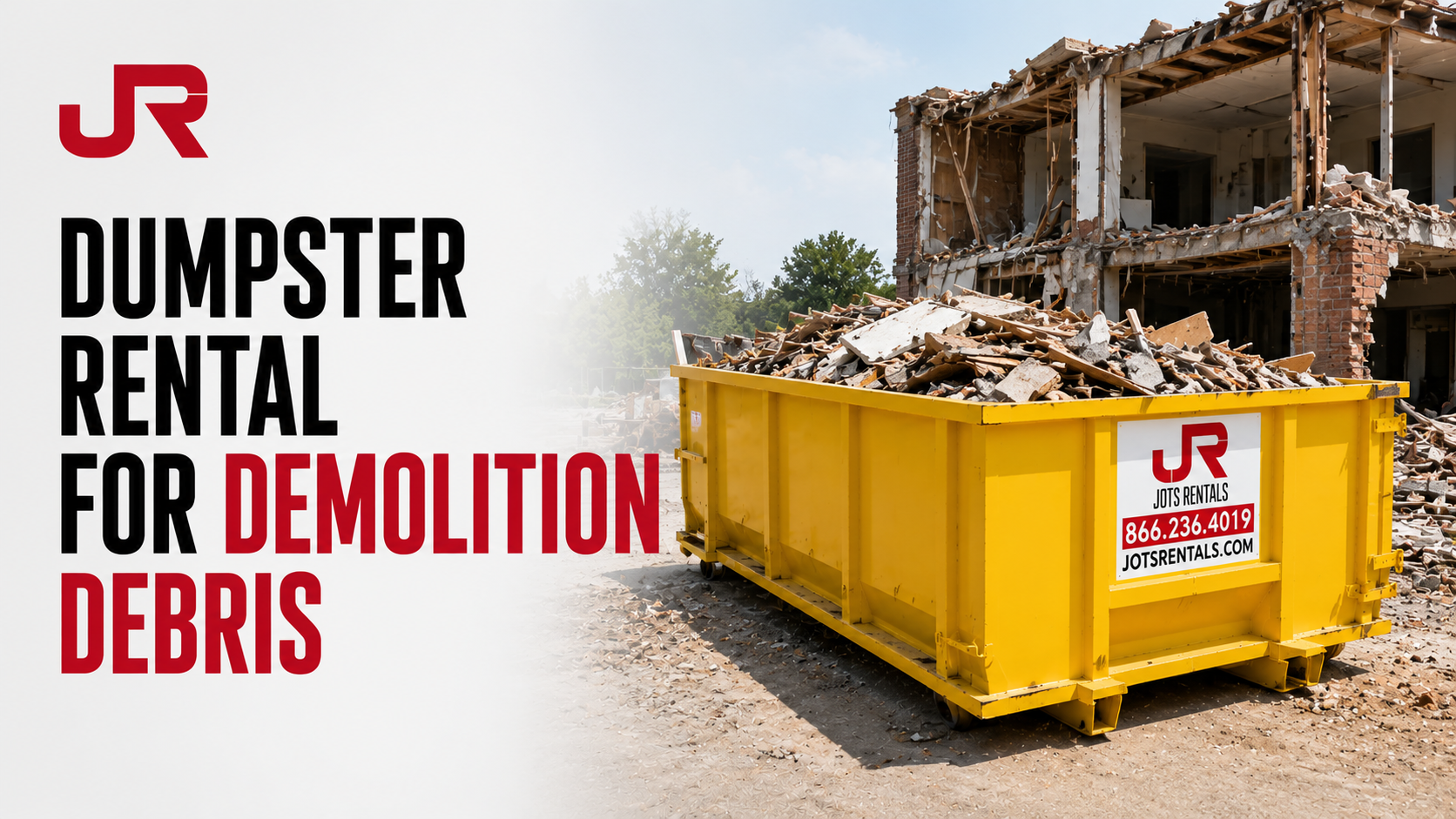
Selecting the correct dumpster rental is essential for efficient debris management on demolition projects. This guide explains key considerations for renting dumpsters for demolition debris in East Texas, including available sizes, typical costs, and permit requirements. Demolition, renovation, and repair work generate varied waste streams; managing that material properly streamlines your project and helps maintain compliance with local regulations. Whether you are a contractor on a large site or a homeowner overseeing a smaller job, understanding the rental process ensures you have the right equipment for timely, compliant disposal. The sections below detail sizes, pricing, permits, and practical debris-management practices to optimize your demolition work.
Available Sizes
Selecting the appropriate dumpster size is critical to efficient debris removal. Sizes commonly range from 10 to 40 cubic yards to accommodate different volumes and material types. Choose the size that fits your project to avoid extra handling and additional charges.
- 10-yard dumpster: Ideal for smaller projects, such as minor renovations or garage cleanouts, capable of holding about 2 tons of debris.
- 20-yard dumpster: A popular choice for medium-sized renovations or larger cleanouts, this size can accommodate roughly 4 tons of debris.
- 30-yard dumpster: Commonly used for extensive remodeling or demolition jobs, providing space for about 6 tons of debris.
- 40-yard dumpster: Appropriate for large-scale projects, such as commercial demolitions, holding approximately 8 tons of debris.
Choosing the correct size helps maintain workflow efficiency and reduces the risk of overage fees from excess waste.
Pricing Factors
Several elements affect dumpster rental pricing; understanding them helps you predict total expenses and select the best provider.
- Base Rental Rate: This includes the initial cost of renting the dumpster for a specified period.
- Weight Overages: Exceeding the dumpster’s weight limit can incur charges ranging from $50 to $100 per additional ton.
- Additional Fees: Services such as same-day delivery, extended rental periods, or special requests may lead to additional costs.
- Location: Geographic location can influence pricing; local market dynamics often play a significant role.
Being aware of base rates, overage penalties, and service fees allows you to compare offers and avoid unexpected charges.
Local Waste Disposal Comparisons
Comparing local waste disposal options is essential to secure the best value while maintaining regulatory compliance. East Texas offers multiple providers with differing price structures and service options.
- Research Local Providers: Identify multiple dumpster rental services to compare prices, terms, and customer reviews.
- Assess Contrasting Services: Some companies may offer additional benefits, such as free delivery or discounts for extended rentals.
- Evaluate Customer Experiences: Consider feedback and ratings from previous customers to gauge reliability and overall service satisfaction.
Compare providers on price, terms, and reputation; for local solutions in East Texas, contacting local providers is a practical first step.
Rental Process and Timing
Understanding the rental process and timing helps prevent delays and keeps your demolition schedule on track. A clear sequence of steps simplifies coordination with providers and your site team.
- Request a Quote: Reach out to local dumpster rental providers for pricing and availability.
- Select Your Size: Confirm the appropriate dumpster size based on your project needs.
- Schedule Delivery: Arrange a delivery time that fits your project timeline, ensuring the drop-off location is readily accessible.
Plan the rental timeline in advance and align deliveries with your project milestones to reduce downtime.
Scheduling Dumpster Placement
Proper scheduling of dumpster placement reduces disruptions and supports efficient on-site operations. Consider site access, space, and safety when planning delivery.
- Preparation for Delivery: Ensure that the area is clear of obstructions and that there is sufficient space for the delivery truck to drop off the dumpster.
- Access Requirements: Check that your street or project site allows for large vehicle access; this will help prevent delays during delivery.
- Ideal Drop-off Spots: Choose a location that minimizes inconvenience for project activities yet allows for efficient debris loading.
These preparations support a smooth delivery and reduce the likelihood of on-site complications.
Necessary Permits
Depending on your site and project scope, permits may be required for dumpster placement. Confirm requirements before scheduling delivery.
- Determine Permit Needs: Check with your local permitting authority to ascertain if a permit is needed for placing a dumpster on public property.
- Acquire Necessary Documentation: If required, fill out the appropriate forms and submit them to obtain the permit prior to delivery.
- Understand Associated Costs: Be prepared for possible costs linked to permit applications.
Obtaining necessary permits ahead of time prevents fines and avoids interruptions to your demolition schedule.
Tips for Effective Debris Management
Apply practical strategies to improve debris handling and reduce project costs and delays.
- Choose the Right Size: Selecting appropriately sized dumpsters prevents overflow and additional fees.
- Sort Waste: Separate materials for recycling, donation, or disposal to simplify the cleanup process.
- Stay Informed of Regulations: Follow local regulations regarding hazardous and non-hazardous waste disposal, ensuring compliance and safety.
These measures streamline debris management and help keep your project on schedule and compliant with regulations.
What Dumpster Sizes Are Best for Demolition Debris Disposal?
Certain dumpster sizes are generally more suitable depending on project scale and debris type. Choose the size that aligns with your waste volume and handling needs.
- 10-yard dumpsters work well for smaller projects such as minor interior demolitions or cleanup jobs.
- 20-yard dumpsters are versatile enough for both renovations and cleanouts, bridging the gap between smaller and larger projects.
- 30-yard dumpsters are preferred for significant remodeling efforts, offering sufficient space for common demolition materials.
Evaluate your expected waste volume and project scope to determine the most appropriate size for disposal.
What Are Common Dumpster Sizes Available in East Texas?
Common dumpster sizes in East Texas range in length and height to suit various projects. Familiarity with these dimensions aids site planning and transport arrangements.
- 10-yard: Approximately 12 feet long, 8 feet wide, and 3.5 feet high.
- 20-yard: Around 22 feet long, 8 feet wide, and 4.5 feet high.
- 30-yard: Roughly 22 feet long, 8 feet wide, and 6.5 feet high.
- 40-yard: About 22 feet long, 8 feet wide, and 8 feet high.
Knowing these dimensions helps you select a placement area that accommodates the dumpster and delivery truck safely.
How to Compare Pricing Among Local Waste Disposal Services in East Texas
Evaluate multiple providers on cost, terms, and service quality to identify the best fit for your project requirements.
- Compare Base Rental Rates: Look at the initial costs for various dumpster sizes across different providers.
- Check Limits and Overages: Evaluate each offering’s weight limitation policies to understand potential additional costs.
- Explore Customer Feedback: Reviews from past clients provide insights into reliability and service quality.
This comparison process helps you select a provider that balances cost, reliability, and contract terms for your project.
How Does the Dumpster Rental Process and Timing Work for Demolition Projects?
The rental process typically follows a straightforward sequence that you can coordinate with your project timeline.
- Initial Inquiry: Reach out to local rental companies for quotes.
- Confirm Schedule: Align the rental duration with the project’s timeline.
- Prepare for Pickup: Ensure that your site is ready for the prompt return of the dumpster after completion.
Following these steps reduces scheduling conflicts and helps ensure timely pickup and disposal.
How Can You Schedule Dumpster Placement and Obtain Necessary Permits?
Careful planning of placement and permit acquisition prevents delays and regulatory issues during the project.
- Plan Ahead: Schedule placements early, considering lead times for permit approval if required.
- Prepare Necessary Documentation: Gather required permits for public placements as soon as possible to avoid delays.
Proactive scheduling and permit management maintain project momentum and minimize the risk of fines or interruptions.
What Materials Are Acceptable for Disposal in Demolition Dumpsters?
Knowing which materials are permitted ensures compliance and safe handling of demolition waste.
- Allowed Items: Common materials include wood, metal, and non-hazardous household waste.
- Prohibited Items: Hazardous materials, including chemicals or flammable goods, are strictly forbidden.
Adhering to these guidelines reduces liability and ensures proper disposal of debris.
How to Prepare Demolition Waste for Safe and Compliant Disposal
Proper preparation of demolition waste improves safety and simplifies disposal logistics.
- Sort Waste Types: Begin with the sorting of materials into recyclable and disposable categories.
- Handling Hazardous Materials: Take precautions when handling hazardous materials, ensuring that they are disposed of according to local regulations.
- Prepare for Loading: Ensure that waste is appropriately prepped for loading into the dumpster, reducing loading time and minimizing the risk of injury.
Following these procedures helps protect workers, reduce disposal costs, and maintain regulatory compliance.
Which Jobsite Sanitation Options Complement Dumpster Rentals?
Appropriate jobsite sanitation supports worker welfare and site efficiency. Common options include portable restrooms, restroom trailers, and holding tanks to match site needs.
- Portable Restrooms: A vital addition for construction sites, ensuring worker comfort and hygiene. The standard portable restrooms are a reliable choice for most sites.
- Restroom Trailers: For larger operations, trailers offer enhanced amenities that can accommodate more users while providing additional privacy. Consider restroom trailers for superior comfort and capacity.
- Holding Tanks: These are useful for sites without direct access to plumbing, helping to manage waste effectively.
Coordinating sanitation options with dumpster rentals improves site productivity and maintains health standards.
How Do Restroom Trailers and Holding Tanks Enhance Jobsite Sanitation Needs?
Restroom trailers and holding tanks provide tangible benefits for larger or longer-duration sites, including comfort, compliance, and convenience.
- Providing Comfort: Trailers often include climate control and flushing toilets, enhancing the on-site experience for workers. Explore deluxe flushable restrooms for added comfort.
- Supporting Health Standards: These setups are important for meeting hygienic requirements on larger job sites. Wheelchair accessible options ensure compliance and inclusivity.
- Offering Convenience: Easy access to sanitary facilities allows workers to remain on-site, minimizing downtime.
Recognizing these advantages supports planning for complete sanitation solutions that match project scale.
How Can Event Planners and Contractors Optimize Waste and Sanitation with Local Services?
Event planners and contractors can improve efficiency by selecting providers that coordinate both waste and sanitation services and by planning delivery and pickup schedules together.
- Selecting Complementary Services: Choosing providers that offer both dumpsters and sanitation options streamlines operations.
- Leveraging Local Knowledge: Utilizing local waste management services ensures compliance with regulations and optimized logistical support.
- Coordinating Rental Schedules: Balancing delivery and pickup times for both services can enhance overall project efficiency.
Adopting this coordinated approach reduces logistical complexity and improves on-site operations.
How to Request a Quote for Dumpster and Portable Restroom Rental in East Texas
Requesting a quote is most effective when you provide clear project details and contact multiple local providers to compare offers.
- Collect Project Details: Prepare information on project size, estimated waste volume, and duration of use.
- Contact Local Providers: Reach out directly to local services to gather quotes, ensuring to ask about potential discounts for bundled services, such as special event restrooms.
- Clarify Expectations: Be clear about your needs regarding the type and size of dumpsters or restrooms, and any specific onsite requirements.
Providing complete project information and comparing quotes enables accurate budgeting and reliable service selection for demolition projects.
Frequently Asked Questions
What Types of Payment Are Accepted for Dumpster Rentals?
Most dumpster rental companies in East Texas accept common payment methods such as credit and debit cards; some providers also accept cash or checks. Confirm accepted methods with your chosen supplier and ask whether a deposit is required at booking. Using a credit card can offer benefits like purchase protection or rewards, which may be useful for project expense management.
Can I Rent a Dumpster for Other Purposes Besides Demolition?
Yes. Many rental companies provide dumpsters for home renovations, cleanouts, landscaping projects, and special events. Different projects may require different sizes or types, so discuss your needs with the rental provider to ensure the selected unit suits your purpose.
How Long Can I Keep a Rented Dumpster?
Rental durations depend on your agreement with the provider and the project timeline. Companies typically offer flexible terms from a few days to several weeks; additional charges may apply for extended use. Confirm extension policies and potential fees when booking to avoid surprises.
How Are Dumpsters Delivered to the Job Site?
Dumpsters are delivered by trucks designed for heavy loads. After scheduling, the provider will confirm delivery timing. Ensure the drop-off area is clear and accessible to facilitate safe and timely delivery, and notify the provider of any site constraints in advance.
What Should I Do If My Dumpster Overflows?
If the dumpster is at capacity, avoid exceeding the weight limit to prevent overage charges or regulatory issues. Consider ordering an additional dumpster or scheduling an extra pickup. Sorting and recycling excess materials can also reduce overflow and lower disposal costs.
What Happens to the Debris After It’s Collected?
Collected debris is typically transported to local landfills or waste processing facilities. Many companies also recycle or donate usable materials when possible; inquire about a provider’s disposal practices to confirm responsible handling and compliance with environmental regulations.
Are There Any Environmental Considerations with Dumpster Rentals?
Yes. Environmental considerations include proper sorting, recycling, and responsible disposal to minimize landfill impact. Select a rental company that prioritizes recycling and educates customers on acceptable materials to support sustainable waste management.