Winter-ready portable restrooms are built or adapted to stand up to freezing temperatures so crews can stay comfortable and sites stay compliant. These units use added insulation, winter-grade holding-tank chemistry, and—when needed—active heating to stop tanks and seals from freezing and to preserve handwashing and flushing where required. For construction managers, choosing winterized porta potties and restroom trailers reduces downtime, lowers cold-weather safety risks, and helps meet OSHA sanitation and handwashing expectations. This guide walks through the typical winter problems for portable sanitation, compares insulated and anti-freeze-treated options with climate-controlled trailers, and covers siting, servicing, and OSHA considerations for cold-weather jobs. You’ll find practical prevention tips, a unit comparison, maintenance checklists, cost drivers for winter rentals, and a concise look at worker-to-toilet ratios and handwashing requirements. We also include common search terms—winter construction portable restrooms, heated portable toilets, winterized porta potties, insulated portable toilet rental, and restroom trailers for winter construction—to help you plan reliable sanitation for your next winter project.
What Are the Challenges of Using Portable Restrooms on Winter Construction Sites?
Cold-weather portable sanitation faces a handful of linked challenges that reduce availability and raise safety and compliance risk. Freezing can lock holding tanks, clog vents, and crack seals, making units unusable and unsanitary—hurting morale and slowing work. Snow and ice can block access for both workers and service trucks, complicating routine pump-outs and emergency service. Frozen freshwater lines or a lack of hot water can make required handwashing impossible, increasing health and regulatory exposure. Solving these issues requires the right mix of equipment and site procedures so facilities remain usable and hygienic through cold snaps.
Common winter sanitation challenges include:
- Holding-tank and valve freeze that stops flushing and drainage.
- Lower worker comfort and hygiene, which reduce productivity and increase absenteeism.
- Snow and ice blocking service vehicle access and delaying repairs.
- Regulatory risk when handwashing or toilet access isn’t maintained in bad weather.
Tackling these problems starts with understanding how freezing affects equipment and how crew welfare ties directly to site performance and compliance.
How Do Freezing Temperatures Affect Portable Toilet Functionality?
Freezing turns water and diluted chemicals into ice, which can block drains, seals, and vents and cause plastic parts to crack from expansion. Holding tanks with residual water are especially vulnerable—ice can prevent pump-outs and put pressure on fittings. Trailer plumbing with exposed or poorly insulated lines can freeze, disabling flushing and hot-water handwashing and extending repair times. Design features like raised tanks, insulated piping, and winter-grade chemicals help, but they only work when paired with proactive servicing and smart placement.
Because freezing directly reduces uptime and increases repairs, you should plan unit selection and service cadence with low temperatures in mind.
Why Is Worker Comfort and Hygiene Critical in Cold Weather?
Comfort and hygiene matter in winter because they affect productivity, safety, and staffing. Cold, unsanitary restrooms lower morale, increase time away from work, and raise illness risk—shrinking crew capacity. Longer walks or longer lines to reach functioning restrooms increase cold exposure and slip hazards and concentrate traffic at fewer units. Proper handwashing helps limit respiratory and other winter illnesses that can derail schedules. Investing in winterized sanitation is therefore both a welfare and operational decision that protects throughput and reduces indirect labor costs.
Improving comfort and hygiene usually means upgrading equipment and changing operations, which we cover in the product comparisons next.
Which Portable Restroom Solutions Are Best Suited for Cold Weather Job Sites?
Choosing the right winter solution depends on project length, crew size, site access, and exposure to extreme cold. Standard insulated portable restrooms with sealed vents and raised tanks work well for short jobs and mild freezes. Anti-freeze–treated units push that usable window lower, while heated restroom trailers deliver climate-controlled comfort for long-term projects or larger crews. Each choice trades cost against reliability: insulated units are economical, anti-freeze service adds protection, and trailers provide consistent hot water and flushing but require more logistics and a higher rental rate.
Compare common unit types by winter-relevant attributes in the table below.
Intro to comparison table: This table contrasts standard portable restrooms, insulated/anti-freeze-treated units, and heated restroom trailers on attributes that matter for winter construction sites.
Unit Type | Winter Attribute | Typical Performance |
Standard portable restrooms | Insulation & design | Basic weather-resistant plastics and raised tanks; OK for mild cold when serviced proactively |
Insulated / anti-freeze treated units | Freeze resistance & servicing | Extra insulation and winter-grade chemicals extend usable temps; need more frequent pump-outs |
Heated restroom trailers | Climate control & amenities | Forced-air heat and insulated plumbing keep hot water and flushing reliable; best for big crews and long jobs |
This comparison shows trailers give the most reliable winter performance at higher cost, insulated units sit in the middle, and standard units work for limited exposure when paired with a strict servicing plan. For help matching units to your crew and site, request a quote or consult JOTS Rentals for winter rentals.
Practical recommendations by use case:
- Short job, small crew, mild winter: Insulated or anti-freeze-treated portable restrooms with increased service frequency.
- Long-duration projects or large crews: Climate-controlled restroom trailers for steady access to hot water and comfort.
- Remote sites with limited servicing: Trailers or staged backup units to avoid downtime from frozen equipment.
These use-case suggestions help project managers match spending to operational risk and crew needs.
What Features Make Standard Portable Restrooms Durable and Weather-Resistant?
Cold-ready standard restrooms focus on tougher materials, smart venting, and tank geometry that reduces standing water. Thicker polyethylene resists cold embrittlement better than thin plastics; sealed vents and tighter door seals cut wind-driven heat loss and keep out snow. Raised holding tanks and angled drains limit pooled water that can freeze, and compatibility with winter-grade chemicals gives added protection. These features are cost-effective for many winter jobs but depend on attentive servicing through freeze-thaw cycles.
Understanding these trade-offs helps planners avoid trailer-level costs when they aren’t needed.
How Do Heated Restroom Trailers Provide Climate-Controlled Comfort?
Heated restroom trailers use forced-air heating, insulated cabinets, and protected plumbing runs to keep freshwater, waste lines, and fixtures above freezing—so flushing and handwashing stay reliable. Many trailers include on-demand or storage hot water and interior thermal barriers to hold heat when conditions turn severe. That reliability reduces interruptions, improves crew morale, and cuts absenteeism. While trailers carry higher rental and delivery fees, they often pay for themselves on long jobs through reduced downtime and simpler compliance for handwashing.
Trailers are the go-to option when crew welfare, steady productivity, and compliance are priorities, especially on extended winter projects.
How Can Portable Restrooms Be Optimally Placed and Maintained During Winter?
Smart placement and maintenance lower freeze risk and keep facilities usable. Put units where they get afternoon sun and are sheltered from prevailing winds, and keep them reachable during snow events to improve thermal performance and servicing reliability. Elevate units to avoid packed snow and standing water, group them close to work areas to cut worker exposure, and increase service frequency. Pre-plan snow-and-ice removal around each unit and pre-treat holding tanks with winter-grade chemicals to preserve access.
Below are simple best practices crews can start using right away.
- Site units for sun and shelter: Position units to catch afternoon sun and avoid wind corridors.
- Elevate and insulate: Use raised skids or pallets and wrap tanks and pipes with insulation blankets.
- Increase service cadence: Schedule more frequent pump-outs and inspections during sustained cold spells.
- Maintain clear access: Assign snow-removal for paths to units and keep walkways ice-free.
- Use winter-grade chemicals: Apply anti-freeze holding compounds at each service visit.
These steps form an operational checklist to reduce freeze events and keep sanitation working. Coordinating delivery, servicing, and snow clearing with your provider makes them effective.
What Are the Best Practices for Preventing Freezing and Damage?
Preventing freeze-related damage mixes equipment protection with site discipline: add insulation wraps to tanks and pipes, set up windbreaks or temporary enclosures, and face doors away from prevailing winds. Routine visual checks catch seal failures and ice early. For extreme cold, deploy temporary heaters or use heated trailers. Coordinate delivery and servicing to avoid long gaps between pump-outs, and give crews simple habits—keep lids closed and clear snow from vents. These practical defenses lower mechanical failures and keep units online longer.
Written checklists and assigned responsibilities make these actions consistent and part of daily site safety.
How Do Anti-Freeze Treatments and Regular Servicing Enhance Winter Performance?
Anti-freeze treatments are winter-grade holding-tank chemicals that lower the freezing point of tank contents and reduce ice buildup in valves and traps. These products are formulated for portable sanitation and must be applied at service intervals based on temperature and use—they aren’t a one-time cure. In winter, servicing often moves from standard biweekly pump-outs to weekly or more frequent visits depending on crew size and temperature. Trained technicians inspect seals, vents, and plumbing at each visit to catch problems before they cause downtime.
Putting a documented winter servicing schedule in place with a local provider ensures chemicals and inspections happen reliably, keeping units functional and compliant.
Intro to servicing-frequency table: The table below outlines winter service cost drivers and recommended service frequency for typical unit types.
Rental Component | Winter Attribute | Recommended Frequency / Impact |
Anti-freeze chemical treatment | Prevents holding-tank freeze | Applied at each pump-out; increases service cost |
Extra pump-outs | Prevents overfill and freeze | Weekly or as-needed in sustained below-freezing periods |
Heater rental (trailers) | Maintains plumbing/functionality | Single rental charge; significantly reduces freeze risk |
What Are OSHA Requirements for Portable Restrooms on Winter Construction Sites?
OSHA requires adequate toilet and handwashing facilities on construction sites and expects employers to keep sanitation accessible during operations—even in winter. The common baseline is one toilet per 20 workers, and employers must make facilities reasonably available during shifts. Handwashing stations are required where employees face contamination risks or where sanitation is necessary; employers should provide potable water and soap or acceptable alternatives when freezing threatens running water. Documenting provisions and contingency plans shows proactive compliance and lowers regulatory risk.
Key OSHA points for winter sites include:
- Maintaining the baseline worker-to-toilet ratio and adjusting for shift patterns.
- Providing handwashing stations with hot water or effective substitutes during freezing conditions.
- Keeping clear access to facilities during snow and ice to meet the “reasonably accessible” requirement.
Staying compliant in winter usually requires planning beyond a standard setup—working with a provider that offers winterized options and dependable servicing helps employers meet those demands.
Intro to OSHA EAV table: The table below maps OSHA requirements to practical winter-site measures and how a local provider supports them.
OSHA Requirement | Employer Responsibility | How a Winter-Service Provider Supports It |
Worker-to-toilet ratio | Provide sufficient toilets per workforce | Supply extra units or trailers to meet ratios |
Handwashing availability | Provide soap and potable water or alternatives | Deliver heated handwash stations and portable sinks |
Accessibility | Ensure clear and safe access to facilities | Coordinate snow clearing and scheduled servicing |
What Worker-to-Toilet Ratios Must Be Maintained in Cold Weather?
The common OSHA guideline of one toilet per 20 workers remains the starting point for winter planning. In practice, cold conditions often prompt managers to add units to cut travel time, avoid crowding, and provide redundancy if a unit freezes or becomes inaccessible. Shift patterns, remote staging, and site layout changes should trigger supplemental units or trailers so access stays reasonable during storms. Planning these adjustments ahead avoids last-minute shortages and supports both productivity and compliance.
Maintaining proper ratios in winter is as much about smart placement and backup planning as it is about raw unit counts—coordinate with your rental partner before cold weather arrives.
How Does OSHA Address Hand Washing and Heated Facility Mandates?
OSHA requires handwashing facilities where worker hygiene is needed and expects employers to offer potable water and soap or effective sanitizer alternatives. OSHA doesn’t specify water temperature, but in practice heated handwash stations or restroom trailers with hot water are the best way to keep handwashing usable in winter. Employers should document how they’ll maintain handwashing access in cold conditions and deploy heated or insulated stations where practical. For extended cold-weather operations, climate-controlled trailers are a straightforward compliance solution.
Practical alternatives include heated handwash stations, insulated freshwater lines inside heated enclosures, and scheduled servicing to prevent tanks that supply sinks from freezing.
Why Choose JOTS Rentals for Winter Construction Portable Restroom Needs?
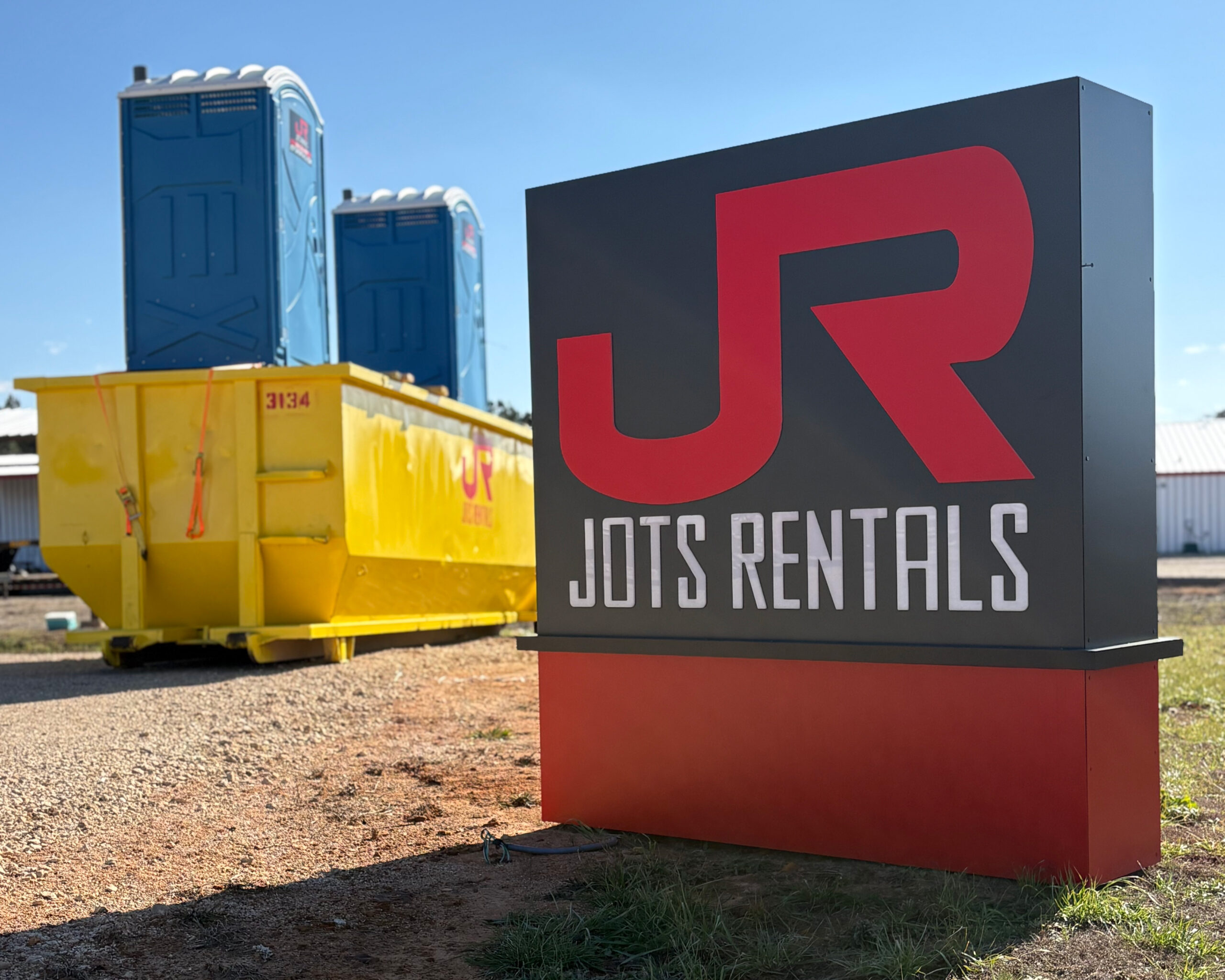
JOTS Rentals offers local know-how and a winter-ready fleet for construction projects across Northeast Texas and Northwest Louisiana. We provide delivery, rental, and servicing planned around regional weather—standard portable restrooms, deluxe flushable restrooms, ADA-compliant units, heated restroom trailers with hot water, hand wash stations, and holding tanks—so we can match equipment to your project size and winter severity. Our strengths are dependable, well-serviced equipment; responsive local support; a range from basic to luxury units; and a clear focus on comfort and hygiene. Those capabilities mean faster response times and weather-aware scheduling that keep sites running during cold snaps.
Request a quote or consult JOTS Rentals for winter rentals.
A quick summary of why contractors choose JOTS Rentals:
- Local expertise in Northeast Texas and Northwest Louisiana for responsive scheduling.
- A well-maintained fleet of winter-capable units, including climate-controlled restroom trailers.
- Delivery, rental, and servicing built to support winterized sanitation plans.
These advantages let construction managers count on consistent winter sanitation without pulling focus from core site work.
How Does Local Expertise and 50+ Years Experience Benefit Winter Projects?
Operating since 1975 gives JOTS Rentals practical knowledge of local winter patterns, common site-access issues, and staging methods that speed delivery and servicing. Local staging cuts technician travel time during snow or ice events, and regional experience helps us decide when to deploy trailers versus insulated units based on historical freeze frequency and logistics. That familiarity supports preemptive servicing schedules and contingency plans that keep units working through short cold snaps and longer winter stretches. The result: fewer service interruptions and clearer planning for project managers.
Experience like this lowers operational risk and can reduce overall project costs during winter.
What Diverse Fleet Options Support Winter Construction Site Sanitation?
Our fleet includes standard portable restrooms, deluxe flushable restrooms, climate-controlled restroom trailers, ADA-compliant wheelchair-accessible units, and portable hand wash stations—each serving a winter role. Standard units cover short-term needs with winter treatments, insulated or treated units extend usable conditions, and trailers deliver reliable hot water and a comfortable interior for large crews. Hand wash stations and holding tanks help meet handwashing mandates and manage waste. Combined with delivery and servicing options, these choices keep crews working with minimal disruption.
Beyond construction, JOTS Rentals also serves events with special event restrooms, offering quality sanitation for festivals and private gatherings alike.
Refer to the earlier comparison table to pick the right unit based on crew size and project length.
What Are the Cost Considerations for Renting Portable Restrooms in Winter?
Winter rentals add costs beyond the base rate: anti-freeze chemical treatments, more frequent servicing, heater or trailer rental fees, and possible seasonal logistics charges for hard-to-reach sites. Budgeting should weigh higher trailer costs against savings from fewer service emergencies and less downtime. For short jobs with small crews, insulated units plus anti-freeze and extra pump-outs are usually cost-effective. For long-term work or large crews, a climate-controlled trailer often produces better ROI by stabilizing productivity and simplifying handwashing compliance.
Below is a table outlining common winter cost drivers and their operational impact.
Cost Driver | Winter Attribute | Recommended Frequency / Effect |
Base rental rate | Unit type dependent | Standard units are cheaper; trailers cost more upfront |
Anti-freeze treatment | Prevents freezing | Applied at each service; raises operational spend |
Extra servicing (pump-outs) | Maintains function | Weekly or as-needed during sustained sub-freezing periods |
Heater/trailer rental | Climate control | Higher rental and delivery fees; reduces downtime |
How Do Pricing and Service Frequency Affect Winter Portable Toilet Rentals?
Service frequency is the biggest operational cost in winter: moving to weekly pump-outs and inspections raises recurring spend compared with summer. Seasonal surcharges may apply for extra technician time and difficult travel. To control costs, match unit type to site risk—choose trailers where frequent servicing isn’t practical, and insulated units with scheduled pump-outs where access is regular. Booking winter service blocks early usually secures better rates and reduces emergency call costs.
Estimate service cadence based on crew size, local temps, and access before winter arrives to avoid surprises.
What Are the Benefits of Investing in Climate-Controlled Restroom Trailers?
Climate-controlled restroom trailers keep temperatures steady, provide reliable hot water, and offer full-flush amenities that improve worker comfort and reduce interruptions from frozen lines. Benefits include higher morale, fewer sick days tied to hygiene failures, and simpler OSHA compliance for handwashing. Over long projects, those gains often offset higher rental and delivery costs by minimizing downtime and maintaining productivity. For remote or long-duration winter sites, trailers deliver a predictable sanitation environment that standard units can’t match.
When planning winter work, treat trailers as an investment in continuity and compliance—not just another line item.
Request a quote or consult JOTS Rentals for winter rentals.
Frequently Asked Questions
What are the key differences between insulated units and heated restroom trailers?
Insulated units add passive protection—better materials, insulation, and winter-grade chemicals—to extend usability in cold weather. They’re cost-effective for short jobs. Heated restroom trailers provide active climate control, dependable hot water, and reliable flushing, making them a better choice for large crews or long-term projects where comfort and compliance matter. Choose based on project duration, crew size, and budget.
How can I ensure compliance with OSHA regulations during winter construction?
Keep the required worker-to-toilet ratio—commonly one toilet per 20 workers—provide accessible handwashing (heated where practical), and document your sanitation plan and contingencies. Maintain clear access during snow and ice and partner with a reliable sanitation provider to make sure facilities meet OSHA expectations throughout winter.
What maintenance practices are essential for winter portable restrooms?
Key winter maintenance steps: increase service frequency as temperatures drop, pre-treat holding tanks with winter-grade chemicals at each visit, inspect for cracked seals and frozen vents, and clear snow and ice around units. These practices help maintain function and compliance through the season.
What are the advantages of using anti-freeze treatments in portable restrooms?
Anti-freeze treatments lower the freezing point of tank contents and reduce ice in valves and traps. Applied by professionals at service intervals, they cut the risk of freeze-related failures and help keep units usable, minimizing interruptions and emergency calls.
How does the placement of portable restrooms affect their performance in winter?
Placement matters: site units for afternoon sun and wind protection, elevate them off packed snow, and keep them close to work zones to reduce exposure and travel time. Strategic siting improves thermal performance, eases servicing, and keeps restrooms accessible during bad weather.
What should I consider when budgeting for winter portable restroom rentals?
Budget for more than the base rate: include anti-freeze chemical treatments, extra pump-outs, potential seasonal surcharges, and heater or trailer rental fees. Compare the cost of trailers against the operational savings from fewer service calls and less downtime to find the best ROI for your project.
What are the best practices for ensuring worker comfort in winter portable restrooms?
To maximize comfort: use heated restroom trailers when possible, keep units well-serviced to avoid freezing, increase service frequency during cold spells, provide heated handwash stations, and place restrooms close to work areas. These steps boost morale, hygiene, and productivity on site.