Selecting the right dumpster size is key to efficient event waste management. Whether a small gathering or a large festival, choosing between a 10-yard and a 20-yard dumpster affects cleanliness, logistics, and cost. This guide summarizes the pros and cons of each size, the main selection factors, and practical recommendations by event type and expected waste volume.
Advantages and Disadvantages of 10-Yard and 20-Yard Dumpsters:
Compare capacity, footprint, and cost to match the dumpster to your event needs.
10-Yard Dumpster:
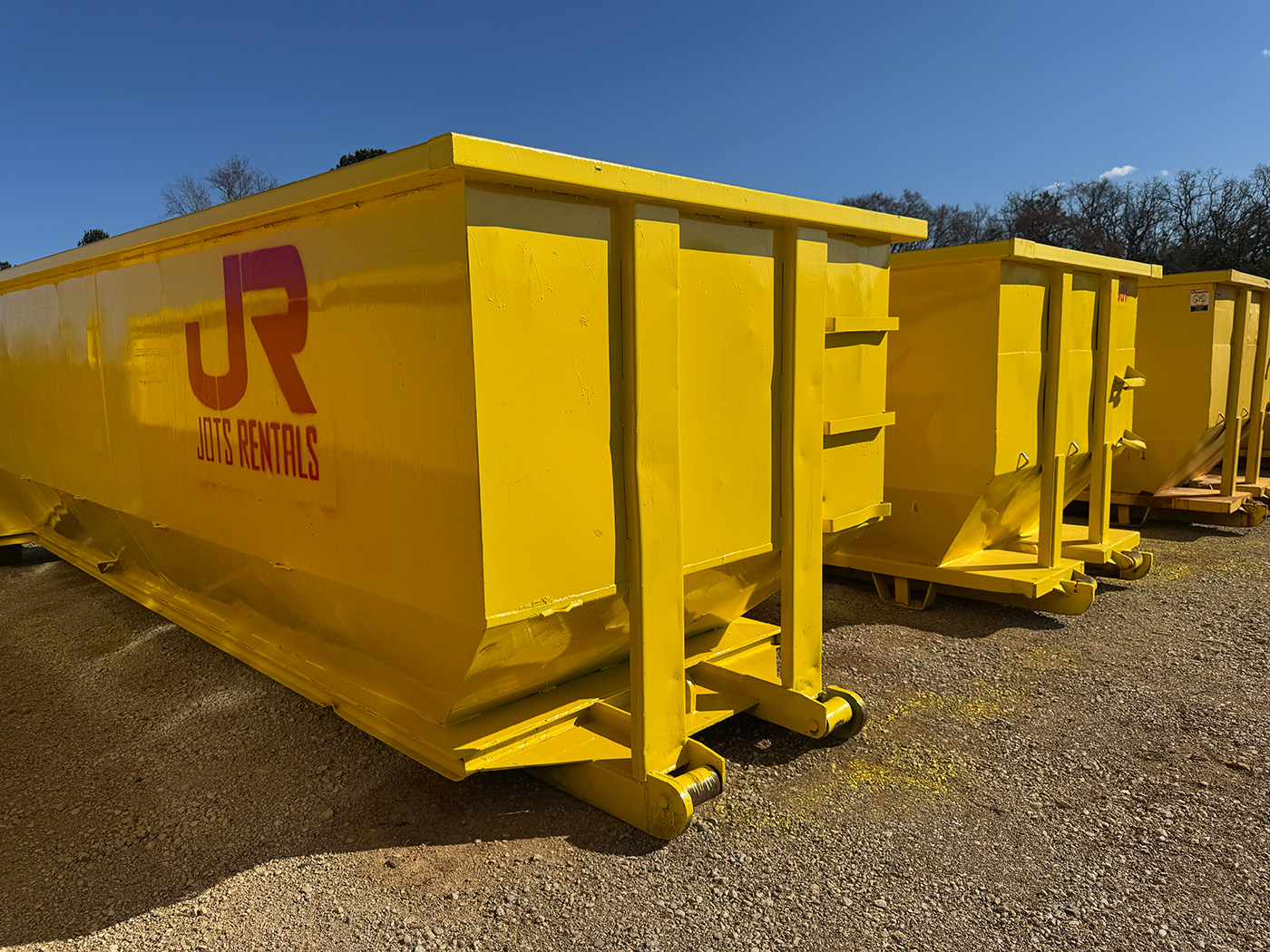
Compact and cost-effective, a 10-yard dumpster fits tighter sites and smaller waste volumes. It is suitable for small events, minor renovations, or cleanups where space and budget matter. Avoid this size if you expect large volumes or bulky debris.
20-Yard Dumpster:
A 20-yard dumpster doubles the capacity and is better for events generating substantial waste. It requires more placement space and a higher rental fee but reduces the risk of overflow at larger gatherings.
Key Factors to Consider When Selecting a Dumpster:
Base your decision on these essentials:
- Estimate Waste Volume: Project total waste to avoid under- or over-sizing.
- Consider Material Weight: Heavy materials can reach weight limits before volume is full.
- Check Site Access: Confirm delivery/pickup access and any placement restrictions.
Recommendations Based on Event Types and Expected Waste Volumes:
Match size to event scale:
- 10-Yard Dumpster: Small gatherings (birthday parties, small reunions) or tight spaces.
- 20-Yard Dumpster: Weddings, festivals, corporate events, or any situation with higher waste volumes.
For rentals and specific sizing help, JOTS Rentals offers tailored options.
What Are the Key Differences Between 10 and 20 Yard Dumpsters?
The main differences are capacity and cost: roughly 10 vs 20 cubic yards. The larger unit handles more volume and bulk items, reducing the chance of early fill-up but increasing rental and placement requirements.
How Do Dimensions and Capacities Compare for 10 vs 20 Yard Dumpsters?
Typical footprints:
- 10-Yard Dumpster: Approximately 12 ft long × 8 ft wide × 4 ft high.
- 20-Yard Dumpster: Roughly 22 ft long × 8 ft wide × 4.5 ft high.
The 20-yard unit accommodates larger items and more total waste.
Which Event Types Are Best Suited for Each Dumpster Size?
Choose based on expected waste and onsite constraints:
- 10-Yard Dumpsters: Small events, minor renovations, or property cleanouts.
- 20-Yard Dumpsters: Larger gatherings, construction zones, and major cleanouts.
How to Determine the Best Dumpster Size for Your Event Needs?
Steps to decide:
- Estimate Waste Volume: Use past events or vendor input to forecast waste.
- Consider Event Duration: Multi-day or high-turnover events often need more capacity or pickups.
- Consult with Rental Services: Ask providers like JOTS Rentals for sizing guidance.
What Waste Volumes Should You Expect for Small vs Large Events?
Guideline:
- Small Events: Often under 1 cubic yard per attendee overall.
- Large Events: Several cubic yards total, especially with food and beverage service.
How Do Event Type and Duration Influence Dumpster Size Selection?
Event type and length both increase total waste; a one-day festival can produce concentrated waste that calls for a larger or additional dumpster compared with a longer, lower-density event.
What Are the Cost Considerations When Renting 10 vs 20 Yard Dumpsters?
Costs to plan for:
- Base Rental Costs: Initial rental fee for the unit.
- Weight Limits and Overage Fees: Extra charges if the load exceeds posted limits.
How Does Rental Pricing Vary by Dumpster Size and Rental Duration?
Larger dumpsters and longer rental periods raise the price; balance unit size against expected volume and potential extra pickups to control cost.
Are There Additional Fees or Restrictions to Consider?
Watch for:
- Overweight Fees: Fees for loads exceeding weight caps.
- Permit Requirements: Local permits may be required for street placement.
What Waste Management Tips Enhance Dumpster Rental Efficiency for Events?
Practical improvements:
- Estimate Waste Volume: More accurate projections reduce surprises.
- Sort Waste Properly: Separate recyclables to lower disposal costs and improve sustainability.
Which Items Are Typically Allowed or Prohibited in Event Dumpsters?
Common rules:
- Allowed Items: General refuse, typical construction debris, and yard waste.
- Prohibited Items: Hazardous materials, many electronics, and certain appliances—confirm specifics with your provider.
How Can Proper Waste Segregation Improve Event Cleanup?
Segregation benefits include cost savings from recycling and reduced environmental impact. Clear bins, signage, and staff/volunteer guidance improve compliance.
Understanding the practical differences between a 10-yard and a 20-yard dumpster helps you pick the option that fits your event’s volume, site, and budget. For assistance matching needs to units and ensuring compliant disposal,JOTS Rentals can advise on suitable solutions and logistics.
Frequently Asked Questions
What factors influence the cost of renting a dumpster?
Price depends on dumpster size, rental length, and the weight of the load. Larger units and longer rentals cost more; overweight loads incur extra fees.
How can I prepare for dumpster delivery and pickup?
Clear the placement area, ensure level access, and confirm any permits if placing on public property. Notify the rental company of site constraints ahead of delivery.
What are the environmental benefits of proper waste segregation?
Segregation increases recycling and composting, lowers landfill volume, conserves resources, and reduces greenhouse gas emissions from decomposition.
Can I rent a dumpster for a multi-day event?
Yes. For extended events, plan capacity and pickup frequency with your provider so service meets demand throughout the event.
What should I do if my dumpster is full before the event ends?
Contact your rental company for a replacement or additional pickup. Having an overflow plan or secondary container helps avoid service interruptions.
Are there specific items that require special disposal methods?
Yes. Hazardous materials (chemicals, batteries, some electronics) require special handling and must be taken to designated facilities—confirm prohibited items with the rental service.
How can I ensure my event is eco-friendly while managing waste?
Encourage reusable items, provide clearly marked recycling and compost bins, and educate attendees. Partner with a waste management provider that emphasizes recycling and composting.