A roofing dumpster — typically a roll-off container rented for construction debris — is the simplest way to keep a roof tear-off clean, safe, and efficient. Pick the right dumpster size and you avoid overfilling, surprise fees, and wasted time. This guide walks you through matching dumpster cubic yards and weight allowances to roof squares and material types so you can choose the right roll-off for your job. You’ll learn how roofing squares convert to debris volume, why material weight matters for provider limits, and how placement and loading affect trips and cost. We cover the safety and cost hits from wrong sizing, the main sizing factors to check, size recommendations for common projects, how weight limits work, and practical estimating and site-prep tips. Keywords like dumpster size for roofing, roofing dumpster size, what size dumpster for roof, 20-yard dumpster for roof, and roofing debris weight are woven in to help you decide quickly which dumpster fits your next roofing job.
Why Is Choosing the Right Dumpster Size Crucial for Roofing Projects?
Getting dumpster size right saves money, keeps the job moving, and protects your crew. When cubic yards and weight limits match the tear-off, crews spend less time sorting, the site stays organized, and you cut the number of hauls — which lowers labor and disposal costs. Proper sizing also reduces illegal overfilling, on-site hazards from debris piles, and potential fines when dumpsters block the right-of-way or exceed permits. Knowing these trade-offs helps you weigh the upfront rental cost against project efficiency, safety, and local disposal rules.
Choosing the proper dumpster is just the start; the sections below show how size affects hauling frequency and what financial outcomes follow from wrong sizing so you can plan confidently for your roofing job.
How Does Dumpster Size Impact Roofing Debris Disposal Efficiency?
Dumpster size controls hauling frequency and loading time. A correctly sized roll-off cuts the number of pickups and reduces on-site sorting. For example, one 20-yard dumpster often replaces two 10-yard units on a standard residential tear-off, saving truck mobilizations and labor for loading and supervision. Fewer trips mean lower hauling charges and less downtime waiting for containers, which keeps crews productive and reduces schedule risk. The right container also simplifies placement and protects surfaces by limiting repositioning; the next section shows how wrong sizing creates avoidable costs.
What Are the Cost Implications of Incorrect Dumpster Sizing?
Renting too small leads to extra deliveries and overweight surcharges; renting too large wastes paid capacity and raises upfront fees. Common costs include per-ton overage charges, additional pickup/drop fees, and lost labor time while waiting on replacements. In many cases, two extra hauls plus overage penalties cost more than upgrading to the next dumpster size up front. Understanding these cost drivers helps you build a sensible buffer for both volume and weight and avoid expensive mid-job adjustments.
What Key Factors Determine the Ideal Dumpster Size for Your Roofing Job?
The right dumpster depends on a few linked factors: roof area measured in roofing squares, roofing material and its weight per square, how many shingle layers you’re removing, and site limits like access and placement. Each factor affects either the cubic-yard need or the expected tonnage — together they decide whether one container will do or if you need larger or multiple dumpsters. Also consider recycling separation (metal flashing, scrap wood), which can lower primary-container weight but requires extra handling. Knowing these variables lets you estimate step-by-step and choose a container that minimizes cost and overage risk.
Factor | How it Affects Dumpster Choice | Example / Value |
Roofing square (100 sq ft) | Converts roof area to debris volume and approximate cubic yards | 20 squares ≈ 2,000 sq ft → ~1.5–2.0 20-yard dumpsters depending on material |
Material weight | Determines tonnage and whether weight limits will be hit before volume | Asphalt singles: lighter; slate/tile: much heavier per square |
Number of layers | Additional layers increase both volume and weight of debris | 2-layer tear-off can nearly double expected tonnage vs single-layer |
Extra debris (gutters, decking) | Adds unpredictable volume/weight; plan buffer capacity | Add 10–20% to volume estimate for miscellaneous waste |
Site access | Limits maximum container footprint or forces smaller/more containers | Narrow driveways may only accept 10- or 14-yard units |
This factor map shows how to turn roof measurements and material types into a practical dumpster choice; next we detail how roofing squares and materials map to container sizing.
How Do Roofing Squares and Roof Size Influence Dumpster Capacity Needs?
A roofing square equals 100 square feet of roof surface and is the standard unit for estimating materials and disposal. To size a dumpster: measure the roof, convert square footage into squares, then use a tear-off yield. One roofing square of asphalt shingles commonly produces about one cubic yard of debris after accounting for air gaps, though bulk varies with shingle type and pitch. A 20-square roof often fits in a 20-yard dumpster for lightweight asphalt singles; larger homes or steep pitches may need a 30-yard or multiple 20-yard containers. Apply a 10–20% safety margin for flashing, gutters, and any decking removal.
How Does Roofing Material Type Affect Debris Weight and Dumpster Selection?
Material weight varies widely and can hit a dumpster’s weight limit before the cubic yard capacity is full. Asphalt singles are usually the lightest; architectural shingles add weight; slate or clay tiles can be several times heavier per square and may require larger containers or separate handling. If heavy materials are involved, verify the rental provider’s weight thresholds and how they calculate overage. When in doubt, choose a larger container or buy extra included tonnage to avoid overweight fees. Accurate material ID during estimating is essential to control cost and logistics.
Which Dumpster Sizes Are Best Suited for Different Roofing Projects?
Small repairs and spot tear-offs often work with 10- or 14-yard units. Most single-family full replacements line up with 20-yard dumpsters. Large residential or light commercial jobs may call for 30- or 40-yard containers to cut hauls. Match cubic yards to expected debris volume and weight so crews can work without interruption and reduce truck visits. Also factor in placement space, driveway access, and local permit rules when picking size.
Dumpster Size | Cubic Yards / Typical Roof Square Coverage | Typical Weight Range |
10-yard | 10 cu yd / Small repairs or 2–4 squares | 1,000–1,800 lbs |
14-yard | 14 cu yd / Minor replacements or 4–6 squares | 1,200–2,500 lbs |
20-yard | 20 cu yd / Typical full residential replacements 8–20 squares | 3,000–5,000 lbs |
30-yard | 30 cu yd / Large residences or light commercial 20–30 squares | 5,000–7,000 lbs |
40-yard | 40 cu yd / Commercial projects or very large roofs 30+ squares | 6,000–10,000 lbs |
Use this quick comparison to match roof size and expected debris to a practical container; below we cover when to use smaller units and why larger ones suit heavy or big jobs.
When Should You Choose a 10 or 14-Yard Dumpster for Roof Replacement?
Choose a 10- or 14-yard dumpster for small patch jobs, tight-access sites, or when you’re only replacing a few squares and space or permits rule out larger units. These fit narrow driveways and keep upfront costs down for small debris volumes. They fill faster, though, so they’re not recommended for full-house replacements unless the job is tiny or you plan multiple pickups. If you go with a small unit, budget for potential extra hauls and have a backup plan if the tear-off produces more waste than expected.
What Are the Benefits of 20, 30, and 40-Yard Dumpsters for Larger Roofing Jobs?
The 20-yard roll-off is the residential workhorse — it balances volume and footprint and often handles a typical 20-square roof of standard shingles. For larger homes, multi-story jobs, or heavy materials, 30- and 40-yard dumpsters reduce the number of hauls and lower overall mobilization costs by taking more cubic yards per drop. Bigger containers help crews keep the site tidy longer, improving safety and productivity, but they need more staging space and planning. When one large dumpster prevents multiple extra hauls, it’s usually the more economical choice.
After sizing, weight limits and overage fees can change the final cost significantly — the section below explains typical policies and how to avoid surprises.
How Do Weight Limits and Overage Fees Affect Your Roofing Dumpster Rental?
Weight limits and overage fees drive the final rental cost because providers commonly charge by the ton beyond the included allowance. Heavy roofing materials can trigger these fees long before the dumpster looks full. Typical fee methods include a per-ton overage rate after the included weight, per-pound penalties, and separate charges for extra pickups. Know typical weight thresholds for your chosen size and tell the rental company what materials you’re removing when you book so you can estimate overage risk. The table below outlines usual weight limits and common triggers so you can plan ahead.
Dumpster Size | Typical Weight Limit | Common Overage Fee Triggers |
10–14 yard | 1.5–2 tons included | Heavy tile/slate that exceeds included tons |
20 yard | 3–4 tons included | Dense materials or multiple layers of shingles |
30 yard | 5–6 tons included | Commercial roofing materials or mixed heavy debris |
40 yard | 6–8+ tons included | Large volumes of heavy materials or contaminated loads |
This table shows heavier materials and extra layers often trigger overage charges, so accurate material estimates and a weight buffer are essential. The subsections below give realistic weight ranges and ways to avoid extra fees.
What Are Typical Weight Restrictions for Roofing Dumpsters?
Weight allowances vary by provider and size. Small containers often include 1.5–2 tons; 20–40 yard units may include 3–8 tons depending on the rental policy and local disposal costs. Roofing material changes the math: one roofing square of asphalt shingles might weigh 200–400 pounds, while slate or tile can be several times heavier and quickly use up included tonnage. Many providers sell weight-allowance upgrades for a flat fee — a good option for heavy materials or multi-layer tear-offs. Ask for exact weight-inclusion details before booking to avoid surprises.
How Can You Avoid Extra Charges Due to Overweight Roofing Debris?
- Segregate heavy materials: Put tile, slate, or concrete in a separate container to protect the main dumpster’s included tonnage.
- Communicate material types upfront: Tell your provider what you’re removing so they can recommend the right weight allowance.
- Add buffer capacity: Choose a slightly larger container or buy extra included tons when heavy materials are expected.
What Practical Tips Help You Select and Prepare for Your Roofing Dumpster Rental?
Preparation starts with a solid volume and weight estimate, securing placement and permits, and following loading practices that preserve safety and surfaces. Estimate volume by measuring roof squares, applying material-specific yields, and adding a contingency margin. Site prep includes protecting driveways with boards, ensuring stable ground, planning clearance for power lines, and checking permits if the dumpster will sit on public property. These steps speed delivery, lower surface-damage risk, and make the container more usable for your debris.
The table and checklist below give hands-on steps for estimating volume and preparing placement so you can schedule a roll-off dumpster with confidence and avoid on-site delays.
How to Estimate Roofing Debris Volume and Choose the Right Dumpster Size?
Start by measuring the roof and converting square footage into roofing squares (100 sq ft = 1 square). Multiply squares by a material-specific yield to get cubic yards — asphalt singles often use ~0.8–1.2 cu yd per square depending on pitch and waste. Add 10–20% for gutters, flashing, and any decking removed, then compare that cubic-yard estimate with typical dumpster capacities. Once you have volume and weight estimates, pick the smallest container that safely covers both cubic yards and expected tonnage to keep costs down and minimize overage risk.
What Are Best Practices for Dumpster Placement and Loading on Roofing Sites?
Good placement and loading protect property, speed work, and reduce risks: put the dumpster on level, stable ground and protect drive surfaces with wood or steel plates. Leave adequate clearance for trucks and fall zones. Load evenly, place heavier items low and toward the center to avoid tipping, and don’t compact material in a way that overloads one side. Coordinate placement with crew flow — close to where shingles are thrown but out of walk paths — and confirm permits if the container sits on public property. Proper placement and loading reduce damage and make crews more efficient.
What Are Common Questions About Roofing Dumpster Sizes and Rentals?
Homeowners and contractors often want to know what size container fits a certain square count and how much weight to expect from different shingles. The short answers below help with quick decisions during bidding or booking. When local logistics or provider policies matter, a regional mention can point readers to dependable local service without distracting from the technical guidance.
The next two subsections give a direct answer for a common scenario and a compact weight reference for planning.
What Size Dumpster Do I Need for a 20-Square Asphalt Roof?
For a 20-square asphalt shingle roof, a 20-yard dumpster is usually the right choice — it balances cubic yards with expected weight and will fit most tear-offs in a single container. If you’ve got multiple shingle layers, heavy architectural shingles, a steep pitch, or decking removal, consider a 30-yard container or extra included tonnage to avoid overage fees. Always confirm the provider’s included weight allowance and disclose material types at booking so the rental matches both volume and tonnage expectations.
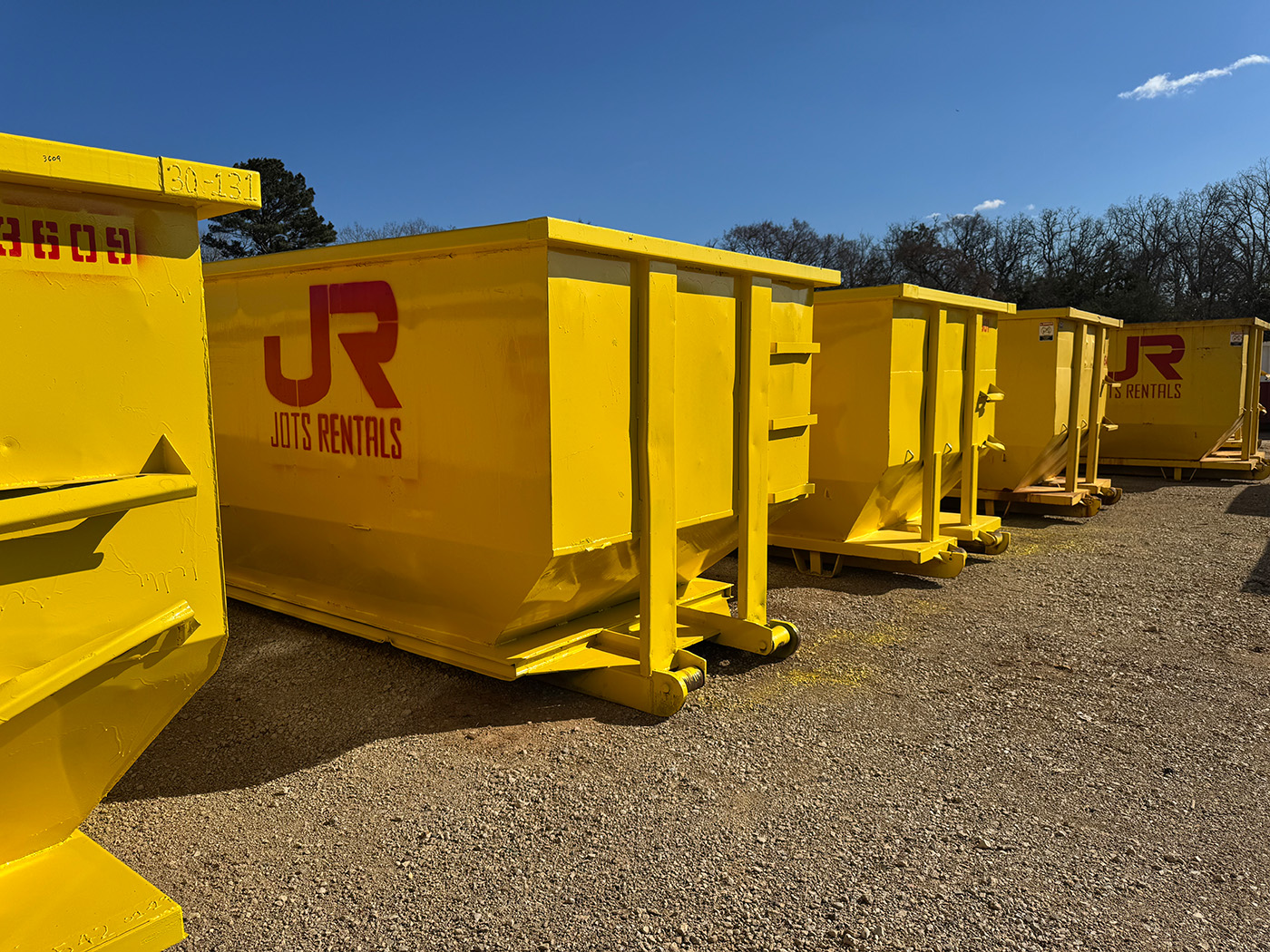
When local pickup, timely delivery, and clean equipment matter, regional providers like JOTS Rentals offer roll-off dumpster rental service across Northeast Texas and Northwest Louisiana, focused on dependable, on-time service, clean equipment, and straightforward pricing to support roofing projects.
JOTS Rentals also offers portable sanitation options for job sites. For basic needs, their standard restrooms are practical and reliable.
For longer projects or added comfort, consider their deluxe flushable restrooms.
Planning an event? JOTS Rentals provides special event restrooms for various gatherings.
Accessibility matters — they offer wheelchair accessible restrooms to meet specific needs.
For larger jobs or upscale events, their restroom trailers deliver a premium, multi-stall solution.
How Much Does a Roofing Square Weigh for Different Shingle Types?
Weight per roofing square varies by material: typical asphalt singles are roughly 200–400 pounds per square; architectural or laminated shingles run about 300–600 pounds per square; and slate or clay tile can exceed 1,000 pounds per square. Use these ranges to convert squares into estimated tonnage: multiply squares by weight per square, then divide by 2,000 to get tons and compare to the dumpster’s included tonnage. Because heavy materials — not volume — often trigger overage fees, accurate material ID and conservative weight estimates are essential when sizing and buying extra included weight.
This weight reference helps you pick a dumpster and plan for overage exposure. If you want local help with sizing or scheduling, JOTS Rentals serves Longview, Tyler, Mt. Pleasant, Whitewright, and Kemp with local expertise and transparent pricing.
- Estimate first, then book: Measure roof squares and identify materials before reserving a container.
- Communicate material types: Tell the rental provider if you have tile, slate, or multiple layers.
- Plan placement and protection: Protect surfaces and ensure safe access to reduce damage risk.
Frequently Asked Questions
What should I consider when planning the placement of a dumpster for roofing projects?
Think about delivery access, distance to the work area, and local rules for placing a dumpster on public property. Make sure the ground is stable and level to prevent tipping, and protect driveways with boards to avoid damage. Check overhead clearance for power lines and confirm any required permits with local authorities so you stay compliant and avoid fines.
How can I estimate the total weight of roofing debris before renting a dumpster?
Measure the roof area in squares (100 square feet = 1 square). Multiply the number of squares by the weight per square for your material — for example, asphalt shingles are typically 200–400 pounds per square; slate can exceed 1,000 pounds. Add a 10–20% buffer for unexpected debris, then compare the result to your dumpster’s included tonnage to choose an appropriate size.
What are the environmental considerations when disposing of roofing debris?
Consider recycling options for asphalt shingles, metal flashing, and wood — many facilities accept these materials and recycling reduces landfill waste. Check local regulations for disposal, since some jurisdictions have rules for hazardous materials or require permits. Proper disposal lowers environmental impact and can improve your project’s reputation.
Can I use a dumpster for other types of construction debris besides roofing materials?
Yes. Dumpsters accept wood, drywall, concrete, and general construction waste, but tell your rental provider what you plan to dispose of. Different materials can have specific disposal rules or affect overall weight, and mixing heavy materials with lighter ones may trigger extra charges — so segregation is a good idea.
What are the common mistakes to avoid when renting a dumpster for roofing jobs?
Common mistakes include underestimating size, failing to tell the provider about material types, and not planning placement or access. Another costly error is not accounting for overage fees from heavy materials. Always measure accurately, consider debris weight, and add a buffer to your estimates to avoid surprises.
How do I choose between renting a dumpster or using a junk removal service for roofing debris?
Rent a dumpster when you have a large volume of waste or need the container for several days, it’s usually more cost-effective. Use a junk removal service if you have a small amount of debris or prefer a hands-off option. Weigh the volume, timeline, and budget to decide which fits your project best.