Picking the right dumpster saves time, cuts disposal costs, and keeps your job site moving across Northeast Texas and Northwest Louisiana. This guide walks through common commercial dumpster types, explains how to choose between 10-, 20-, 30- and 40-yard roll-offs, and lays out the local price drivers you should expect. You’ll get practical recommendations for construction sites, events, and ongoing facility waste, clear steps for renting and permitting, plus straightforward recycling and landfill-reduction strategies like source separation and staged pickups. By the end, you’ll have actionable size guidance, a clear view of regional pricing factors, and a simple process to secure the right container for your project.
Which commercial dumpster types and sizes are right for your business?
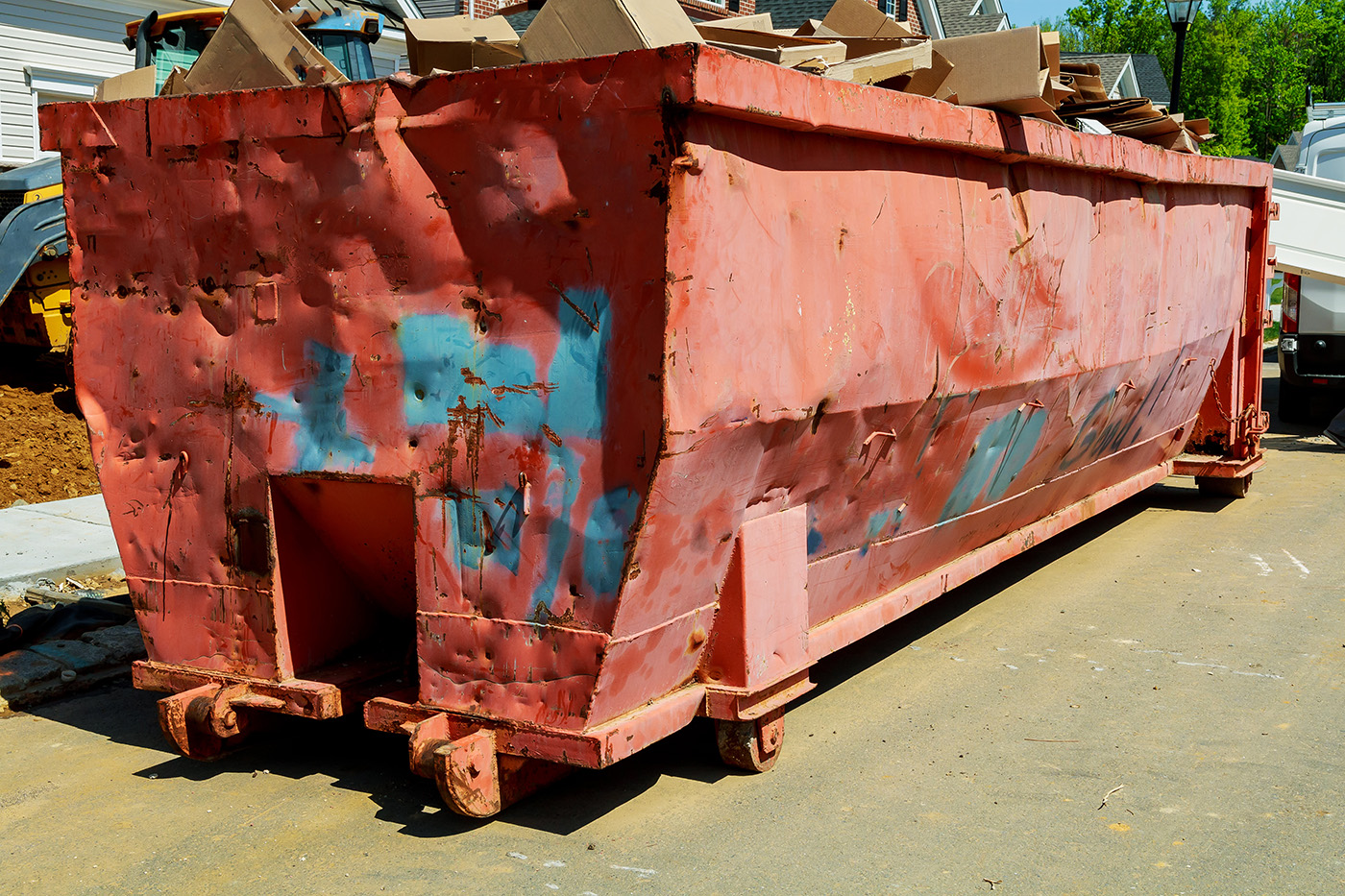
Commercial sites can use several container styles, but for temporary commercial work roll-off dumpsters are the go-to choice. Measured in cubic yards (10, 20, 30, and 40), roll-offs handle bulky or irregular debris and offer flexible delivery and pickup. Knowing each size’s footprint, capacity, and site limitations helps you avoid extra hauls and overweight fees. Below we explain why roll-offs are common and include a quick size comparison to help you choose.
Why pick roll-off dumpsters for commercial waste?
Roll-offs work well on commercial jobs because crews can load them on site, they accept mixed construction debris, and deliveries and pickups are easy to schedule. The open top takes bulky materials like drywall, shingles, and palletized waste so you don’t spend time compacting by hand. For phased projects you can stage multiple containers so work keeps moving without waiting on a swap. Those operational advantages usually mean faster turnover and lower per-ton handling costs compared with smaller front-load bins.
Roll-offs are also portable and compatible with standard hauling equipment, which speeds staging and lowers downtime. That makes it easier to prioritize features like reinforced floors for heavy loads or swing doors for easier loading. Next, match sizes to common job types for practical guidance.
Picking the right roll-off comes down to project volume, material weight, and site access—those three will tell you whether a 10-yard or a 40-yard unit is the smarter, safer, and more economical choice.
Used correctly, roll-off dumpsters give simple containment and removal for temporary commercial needs; choosing the correct size helps you avoid overages and unnecessary rental extensions.
- Operational benefits: on-site loading flexibility, durability for heavy debris, and efficient drop-off/pickup logistics.
- Right-sizing reduces labor, limits double-handling, and keeps disposal costs under control.
This summary shows how compacting stations can cut the number of required dumpster trips and lower transportation costs while improving overall waste-management efficiency.
Cost Analysis of MSW Management with Waste Compactors and Dumpster Efficiency
Waste compactors help to reduce the volume of MSW which will decrease the number of times the dumpster will be needed to be emptied. As a result, transportation cost will be minimized. The purpose of this study is to analyze cost of MSW management using waste compactor with respect to waste quantity, waste characteristics, number of trip of the compactors, labors requirements.
Cost analysis of municipal solid waste management using waste compacting stations: a case study, P Ghosh, 2018
How to pick the right dumpster size: 10, 20, 30, and 40-yard options
Choosing between 10-, 20-, 30-, and 40-yard roll-offs means matching cubic yards to the scope of work, access limits, and material weight—while keeping rental time and haul charges in check. A 10-yard roll-off fits small interior remodels, garage cleanouts, and short events where space is tight. A 20-yard works for medium remodels and small construction jobs that produce steady volume. The 30- and 40-yard units are for major demos, large remodels, and longer-term sites where volume outweighs access constraints.
Dumpster Size | Cubic Yards / Typical Dimensions | Ideal Use Cases / Load Examples |
10-yard | ~10 cu yd; compact footprint | Small renovations, interior cleanouts, short events |
20-yard | ~20 cu yd; medium footprint | Medium remodels, roofing projects, retail cleanouts |
30-yard | ~30 cu yd; larger footprint | Major renovations, multi-room demo, contractor staging |
40-yard | ~40 cu yd; largest footprint | Full demolition, large commercial projects, long-term sites |
This chart helps you match project type to container so you avoid costly mismatches. When you estimate, remember bulky materials eat volume and dense materials trigger tonnage fees—both affect cost and size choice.
How much does a commercial dumpster cost in Northeast Texas and Northwest Louisiana?
Local rental cost depends on a few predictable factors: container size, rental length, waste type, weight limits and overage charges, haul distance, and any permits needed for placement. Disposal facility fees and municipal permit costs vary by city and county, so a realistic budget combines a size-based base rate with expected tonnage and any special handling fees. Plan for possible weight overages and schedule staged pickups for long projects to avoid surprise charges. The list below highlights the main pricing drivers and how they typically affect a quote.
- Size and capacity: determine the base rental rate and how often you’ll need hauls.
- Waste type: bulky or regulated materials often carry disposal surcharges.
- Weight limits: exceeding included tonnage triggers per-ton fees.
- Rental duration: length of rental and scheduling affect daily and haul costs.
- Permits and distance: municipal fees and transport add to the final price.
Cost Factor | Typical Range or Example Impact | How it Affects Final Rental Price |
Container size | Small to large (10–40 yd) | Larger sizes raise the base rate but lower the per-yard cost |
Weight/tonnage | Included allowance vs. overage per ton | Exceeding allowance adds per-ton fees that can exceed the base rate |
Waste type | Mixed construction, clean fill, hazardous | Special disposal fees or bans increase processing costs |
Rental duration | Short-term to multi-week | Longer rentals raise base but may reduce repeated haul charges |
Permits | Municipal street/ROW permits | One-time permit fees and possible application costs |
This table shows where most surprises come from. To control costs, be specific about waste types, estimate volume conservatively, and plan pickups so you only pay for the capacity you need.
When discussing transparent pricing and local cost drivers, include a short business-focused paragraph that references JOTS Rentals’ transparent and flexible pricing approach (integrate the raw content_intent exactly as provided). JOTS Rentals emphasizes clear quotes, flexible rental periods, and locally predictable pricing for Northeast Texas and Northwest Louisiana clients, helping customers avoid hidden fees.
Which dumpster solutions work best by industry?
Different industries create different waste mixes and schedules, so tailoring containers by sector saves money, keeps sites safe, and ensures compliance. Construction and demolition generate mixed, heavy debris—larger roll-offs with tonnage planning work best. Events and hospitality need short-term, frequent servicing with smaller or multiple units to keep public areas clean. Retail, restaurants, and light manufacturing usually rely on scheduled pickups and separated recycling streams to reduce landfill fees and maintain operations.
Industry | Common Waste Types | Recommended Dumpster Sizes / Best Practices |
Construction | Framing lumber, drywall, roofing, concrete | 20–40 yd; plan by phase, segregate recyclables |
Events | Food waste, cardboard, mixed trash | 10–20 yd; frequent servicing and recycling stations |
Retail / Restaurants | Cardboard, packaging, organic waste | 10–20 yd; scheduled pickups and source separation |
Manufacturing | Packaging, scrap metal, non-hazardous process waste | 20–30 yd; consider recycling roll-offs for metals |
This mapping helps procurement and project managers pick containers that match work flow and material streams, cutting downtime and inefficiency. For many businesses, combining a primary roll-off with a small recycling container delivers measurable savings and better diversion rates.
Which dumpsters are best for construction and demolition?
Construction and demolition need containers that handle heavy, abrasive loads and high volumes so crews aren’t constantly swapping bins. Small renovations usually fit in a 20-yard roll-off; full demolitions often require 30- or 40-yard units for structural debris and roofing. Watch weight: concrete, brick, and soils are dense and can trigger tonnage overages, so separate inert materials or schedule dedicated loads for heavy aggregates. Reinforced containers and clear loading rules protect crews and reduce liability on busy sites.
Simple cost-saving tips: pull metal for recycling, crush materials where safe, and stage deliveries by phase. For example, a medium demo producing about 12 cubic yards per day will fill a 30-yard unit in roughly three days—staged pickups can prevent overweight charges while keeping work moving.
How can event planners manage temporary waste with roll-offs?
Event planners need a short-term, high-frequency servicing plan to prevent overflow and protect guest experience without overspending. For single-day festivals, place multiple 10- to 20-yard units at key traffic points to reduce walking and speed collection. Multi-day events benefit from nightly pickups. Clearly labeled recycling stations for cardboard, plastic, and metals cut landfill tons and lower disposal bills. Plan access—truck space and rotation lanes—so servicing can happen without disrupting activities.
Best practices: set a servicing schedule, estimate waste per attendee, and contract contingency pickups for weather or attendance spikes. Pre-event planning that includes load estimates and pickup windows prevents emergency hauls and extra fees.
What local regulations and permits affect commercial dumpster rentals?
Rules cover dumpster placement, use of public right-of-way, and disposal of regulated materials—so knowing municipal requirements in Northeast Texas and Northwest Louisiana avoids fines and delays. Permits are commonly needed when a dumpster sits on a street, sidewalk, or other right-of-way. State agencies (TCEQ in Texas and LDEQ in Louisiana) set disposal standards for certain waste streams, while cities handle placement and parking rules that affect delivery timing. Checking with local authorities early prevents last-minute denials or blocked deliveries on the scheduled day.
- Check municipal rules for street or curb placement permits at the project site.
- Determine if special handling or disposal permits are needed for regulated materials.
- Coordinate delivery windows with local authorities if placement affects traffic or parking.
Permits often need lead time to approve and may require proof of insurance or site plans—so submit requests early to avoid project delays and extra admin fees.
How do local regulations in Northeast Texas and Northwest Louisiana change dumpster use?
Regional rules vary: some cities charge for street permits, others limit delivery hours to cut congestion. That can mean restricted delivery windows or bans on long-term curbside placement without special permission. State rules from TCEQ and LDEQ affect disposal options for construction materials and the handling of regulated streams like contaminated soils or certain industrial wastes. Knowing these layers helps planners schedule deliveries and budget time and fees for approvals.
Be proactive: confirm municipal rules, identify any insurance paperwork needed, and plan backup placement if a street permit isn’t granted. Doing this up front reduces service rescheduling and keeps your site running smoothly.
Which permits are typically required for dumpster placement?
Permits are usually required if a dumpster occupies public right-of-way or affects pedestrian/vehicle movement. Depending on local rules, the site contractor, tenant, or rental company may apply. Common permit types include temporary encroachment permits, street-closure permits for heavy equipment, and long-term placement authorizations. Lead times vary by jurisdiction and may require site diagrams, fees, and proof of insurance. Confirm responsibilities up front so everyone knows who files and pays.
- Identify placement location and whether it affects public right-of-way.
- Confirm who is responsible for applying and paying permit fees.
- Submit any required diagrams, insurance certificates, and payment on the jurisdiction’s timeline.
Following these steps cuts permit-related delays and keeps your project on schedule.
How does JOTS Rentals support sustainable commercial waste disposal?
Good sustainability starts with diverting recyclables and working with local processors to reduce haul distances. Common commercial streams—metal, concrete, wood, and cardboard—are valuable when kept clean and separated at the source. Providers that coordinate with local recyclers and offer dedicated recycling roll-offs make it straightforward to segregate materials and track diversion. A solid program includes simple client guidance on separation, scheduled recycling pickups, and diversion reporting on request.
For local businesses looking for commercial waste solutions, JOTS Rentals supports clients with the right equipment and practical guidance to win new and repeat business. Clients lower disposal costs by staging commingled loads into recyclable streams and choosing recycling roll-offs where available.
What recycling and eco-friendly options are available?
Common commercial recycling options include metal recovery, concrete and masonry recycling, wood reuse or chipping, and cardboard baling. Each stream needs basic source separation—dedicated containers or clear staging areas—to keep material quality high for local processors. Benefits include lower landfill tonnage, reduced disposal costs, and stronger sustainability metrics for corporate reporting. Put the plan into practice by training crews on acceptable materials, labeling containers clearly, and scheduling targeted pickups to keep recyclables clean.
On larger projects, these measures typically pay back through lower disposal fees and better environmental outcomes where recyclables represent a big portion of tonnage.
How does JOTS Rentals put sustainability into practice?
JOTS Rentals supports sustainability by offering roll-offs designed for material separation and by advising clients on diversion strategies tailored to Northeast Texas and Northwest Louisiana processing networks. We recommend recycled-material containers for metals and concrete, advise on load prep to avoid contamination, and schedule pickups to shorten haul distance and idling. When crews follow simple segregation rules and work with local recyclers, diverted materials get processed efficiently. Tracking diversion on larger contracts can show measurable environmental benefits that align with clients’ sustainability goals.
Simple client actions—pre-sorting metal, scheduling dedicated recycling pickups—often improve recycling results and cut overall disposal costs by reducing landfill tonnage.
Beyond dumpsters: other commercial services from JOTS Rentals
Alongside commercial dumpster services, JOTS Rentals offers a full range of portable sanitation solutions. For construction and general commercial needs, dependable standard portable restrooms keep sites clean and compliant.
Event planners can choose options built for special events, ensuring guest comfort and meeting health standards with regular servicing for peak traffic times.
We also prioritize accessibility with wheelchair accessible units to meet ADA requirements and make sure everyone on site has comfortable access.
For premium needs, luxury restroom trailers provide flushing toilets, running water, and climate control—ideal for upscale events or extended projects.
How do you rent a commercial dumpster from JOTS Rentals?
Renting from JOTS Rentals is straightforward: assess your waste profile, request a quote with size and rental period, arrange delivery once permits are in place, load within material rules, and schedule pickup or staged swaps. Give site-access details, expected waste types, and quantity estimates when you ask for a quote to get accurate pricing and avoid overages. Payment follows the rental agreement, and scheduling pickups ahead prevents extra on-site days and fees.
- Assess needs: Confirm waste types, access constraints, and estimated volume.
- Request a quote: Provide site details, desired size (10–40 yd), duration, and waste type.
- Obtain permits: Apply for street or curb permits if placement affects public right-of-way.
- Schedule delivery: Confirm a delivery window and safe placement area on site.
- Load and manage: Follow acceptable material rules and schedule pickups or swaps.
- Finalize pickup: Arrange final haul and receive invoice with documented charges.
Have site dimensions, the nearest access route, and an approximate timeline ready to speed quoting. For tailored help and to secure service, win new and repeat business. To request a quote or schedule service, tell us your project size and preferred timing when you call JOTS Rentals at (903) 236-4019.
What is the step-by-step process to rent a dumpster?
Good rentals start with preparation and clear communication: estimate volume and material types, mark placement and access limits, request a detailed quote that lists tonnage and duration allowances, confirm who handles permits, and lock in delivery dates. Lead times depend on permit windows and local demand, so book early to avoid delays. Label materials and follow prohibited-item lists to prevent surcharges or disposal refusals. Sharing precise site info (driveway width, overhead clearance) ensures we send the right truck and avoid failed deliveries.
Well-prepared sites reduce rework and surprise charges; coordinating pickups around project milestones keeps work productive and compliant.
How can you get a free quote or consultation for commercial dumpster rental?
To get a free quote, gather key project details—site address or description, start date, anticipated volume and waste types, and any access or permit constraints—and provide them when you request a quote. Consultations cover size options, scheduling, weight allowances, and permit needs and produce a clear written quote that outlines inclusions and potential extras. Response times vary with season, but complete information speeds our turnaround and gives you more accurate pricing.
For tailored commercial recommendations and to request personalized assistance, win new and repeat business. When you contact JOTS Rentals, have your project timeline and waste profile ready so the quote addresses all cost drivers and avoids surprises.
Frequently Asked Questions
What factors should I consider when choosing a dumpster rental company?
Look for clear pricing, reliable service, and a local reputation. Choose a company that gives straightforward quotes with no hidden fees, has flexible rental terms, and offers the dumpster sizes you need. Also ask about recycling options and sustainability practices—those can affect your costs and waste strategy.
How can businesses reduce waste disposal costs?
Separate recyclables from general trash, schedule pickups to match actual waste generation, and match dumpster size to the job. Employee training and basic source-separation go a long way. Together these steps lower landfill fees and reduce the chance of overage charges.
What are the environmental benefits of using roll-off dumpsters?
Roll-offs make it easier to collect and separate large volumes of material, which can reduce pickup frequency and hauling emissions. When paired with recycling streams and local processors, roll-offs help divert waste from landfill and support a circular approach to materials.
Are there specific regulations for hazardous waste disposal?
Yes. Hazardous waste has strict local, state, and federal rules. It often requires special containers, handling procedures, and permits. Always consult local environmental agencies and your rental provider to ensure compliance and avoid penalties.
How can I ensure my dumpster rental is compliant with local regulations?
Start by checking municipal placement and permit rules, especially if a dumpster will sit on public property. Know local disposal rules for regulated materials. Your rental company can often advise and help with permit paperwork based on local experience.
What should I do if my dumpster is full before the scheduled pickup?
Contact your rental provider right away. They can arrange an extra pickup or a second dumpster. Communicating changes in waste volume early helps avoid overage fees and keeps your project on track. Planning for potential spikes with contingency pickups also helps.
Can I place a dumpster on my property without a permit?
That depends on local rules. If the dumpster sits entirely on private property and doesn’t block access, many locations don’t require a permit—but always check your municipality to be sure and avoid fines or delays.