Construction work creates a lot of debris. Keeping a job site clean and safe starts with good waste management. This guide explains how construction dumpster rentals help you control debris, stay on schedule, and avoid headaches. Learn about roll‑off sizes, what you can toss, and how the rental process works so you can plan with confidence.
Below, we cover: what construction dumpster rentals are and their benefits, the sizes available, accepted materials, the rental process with JOTS Rentals, practical waste‑management tips, and why local contractors rely on JOTS Rentals.
What Are Construction Dumpster Rentals and How Do They Support Job Site Waste Management?
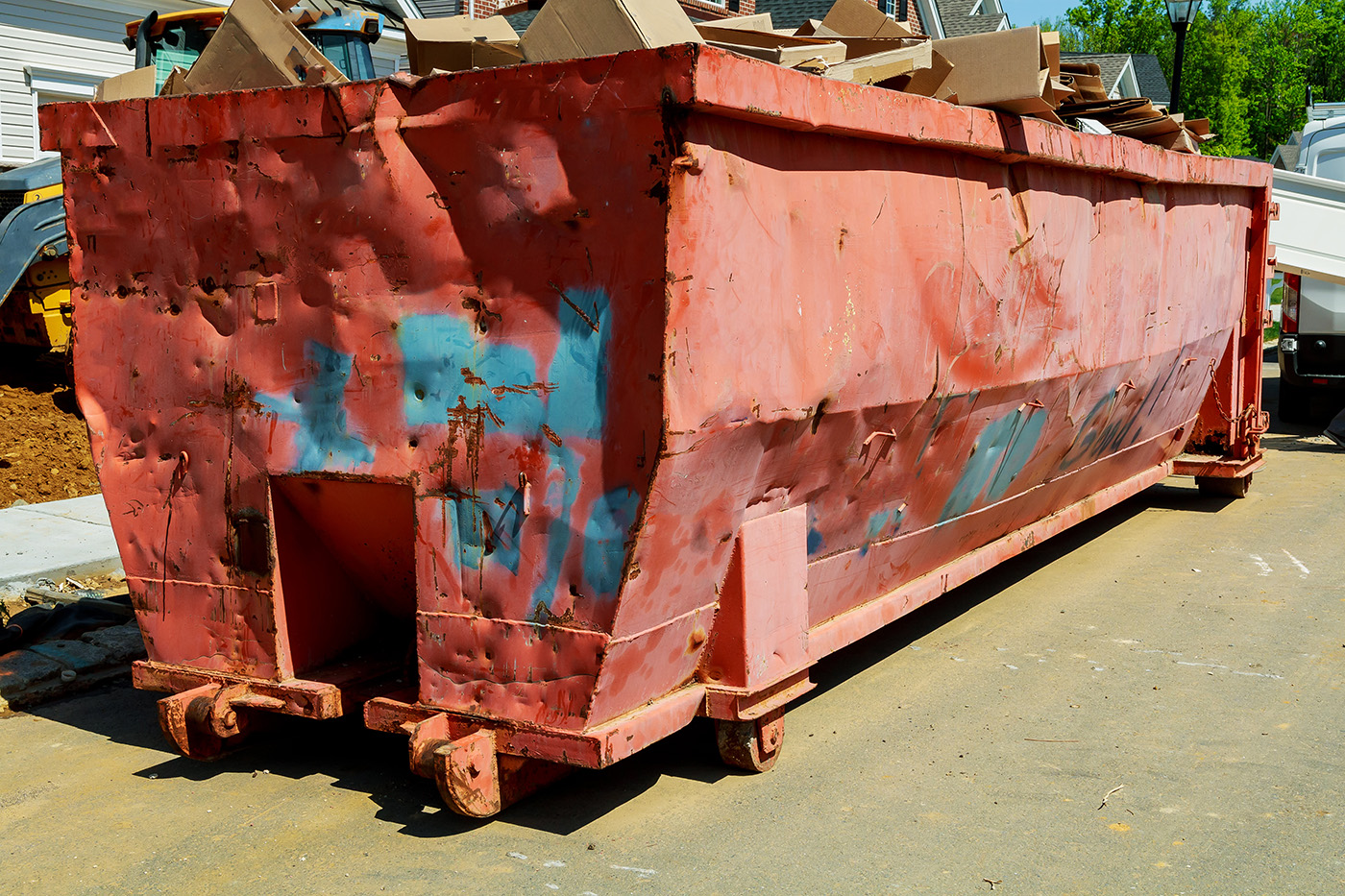
Construction dumpster rentals provide a simple, reliable way to collect and remove large amounts of job site waste. Roll‑off dumpsters give crews a central place to load debris so the site stays organized, safer, and easier to work on. That helps reduce accidents and keeps projects moving.
Roll‑off dumpsters are open‑top containers delivered to your site and hauled away when full. They’re built for quick loading and easy transport. JOTS Rentals has over 40 years of experience serving Northeast Texas and Northwest Louisiana, offering dependable equipment and local knowledge to fit each project’s needs.
Coordinating delivery, placement, and pickup of large containers is a key part of keeping a project on schedule.
Roll-on/Roll-off Logistics for Waste Containers
Skip loader operations in roll‑on/roll‑off logistics alternate moving empty and full containers under tight limits like vehicle capacity, container compatibility, stacking rules, and service time windows. These operations need careful planning of handling and routes to stay efficient. The paper describes an adaptive Ant Colony Optimization (ACO) system built to meet the specific demands of skip loader logistics.
An Adaptive Ant Colony System for Skip Loader Operations in Roll-on/Roll-off Logistics, M König, 2025
Understanding Roll-Off Dumpsters for Construction Projects
Roll‑off dumpsters come in several sizes to match different types of jobs—from small remodels to full building demolitions. Their open top and wide opening make it easy to load bulky or heavy items, which is why contractors prefer them on busy sites.
Typical materials handled in roll‑offs include concrete, lumber, metal, and drywall. Keeping those materials in one container clears space on site and speeds cleanup at the end of the day.
How JOTS Rentals Serves Northeast Texas and Northwest Louisiana Construction Sites
JOTS Rentals is a local partner for contractors and builders across Northeast Texas and Northwest Louisiana. We focus on fast, friendly service and reliable pickups and deliveries. Our team helps you choose the right size, schedules deliveries to fit your timeline, and handles the logistics so you can focus on the job.
Customers often mention our on‑time delivery and straightforward service. That consistency is why many local construction companies choose JOTS Rentals again and again.
Which Roll-Off Dumpster Sizes Are Best for Different Construction Projects?
Selecting the right dumpster size saves time and money. JOTS Rentals carries 10, 15, 20, 30, and 40‑yard roll‑offs so you can pick the fit for your project and waste type.
Choosing Between 10, 15, 20, 30, and 40 Yard Dumpsters
Size | Capacity (cubic yards) | Typical Uses |
10 Yard | 10 | Small renovations, cleanouts |
15 Yard | 15 | Medium renovations, roofing |
20 Yard | 20 | Medium-sized projects, roofing |
30 Yard | 30 | Large renovations, commercial jobs |
40 Yard | 40 | Major construction, large-scale demolitions |
Typical Uses and Capacity Estimates for Each Dumpster Size
Match dumpster size to the scope of work: a 10‑yard fits small remodels and cleanouts, while a 40‑yard is best for big demolition or commercial builds. Choosing correctly reduces extra trips and keeps your costs predictable.
What Materials Can You Dispose of in a Construction Dumpster?
Knowing what you can and can’t put in a construction dumpster helps avoid fines and delays. Below are commonly accepted items and examples of prohibited materials.
Accepted Construction Debris: Concrete, Wood, Metal, Drywall
- Concrete: Breakout and rubble from demolition and repair work.
- Wood: Framing lumber, pallets, trim, and scrap wood.
- Metal: Scrap metal, flashing, rebar, and other metal offcuts.
- Drywall: Sheetrock removed during renovation or new construction.
These materials are handled efficiently in roll‑off dumpsters, helping keep the site tidy and safe.
Prohibited Materials and Local Disposal Regulations
Some materials are not permitted in construction dumpsters. These typically include hazardous waste, electronics, tires, batteries, and certain chemicals. Check local disposal rules and tell your JOTS Rentals rep if you have unusual items so we can advise the right disposal method.
How Do You Rent a Construction Dumpster with JOTS Rentals?
Renting from JOTS Rentals is straightforward and built for busy job sites. We quote, schedule delivery, and pick up when you’re ready—simple as that.
Delivering and collecting containers on time—while accounting for depot hours and truck capacity—is a core part of efficient service.
Roll-Off Waste Collection & Container Logistics
Waste management companies deliver empty containers to customers to be filled and then collected once full. Full containers go to a waste handling depot to be emptied and reused, while empty containers are stored at stock depots. Pickups and deliveries must respect depot hours and customer time windows. Also important: there are different truck types—some carry one container, others two—so planning routes and schedules is essential.
Solving a real-life roll-on–roll-off waste collection problem with column generation, K Sörensen, 2019
Step-by-Step Rental Process: Quotes, Delivery, and Pickup
- Request a Quote: Contact JOTS Rentals for a clear, project-based quote.
- Schedule Delivery: Pick a delivery date and spot on site for the dumpster.
- Fill the Dumpster: Load debris as work progresses—we’ll give guidance on weight and prohibited items.
- Pickup: Call us when you’re ready and we’ll remove the full container promptly.
Our goal is a smooth rental so you can stay focused on the build, not the trash.
Permits and Regulations for Dumpster Placement in Northeast Texas and Northwest Louisiana
Some municipalities require a permit to place a dumpster on streets or public property. Rules vary by city and parish. JOTS Rentals can help identify permit needs and point you to local contacts so placement is legal and hassle‑free.
What Are Best Practices for Construction Waste Management and Recycling?
Good waste practices reduce costs and environmental impact. Planning and simple on‑site systems go a long way toward a cleaner, more efficient job site.
Construction waste creates measurable environmental impacts, which makes sensible disposal and recycling important.
Construction Waste Generation & Environmental Impact
The construction industry produces a large share of municipal solid waste that often ends up in landfills. In some regions, construction and demolition (C&D) waste accounts for roughly a quarter of landfill deposits. C&D waste can cause socioeconomic and environmental problems, including groundwater contamination, increased greenhouse gas emissions, and pressure on limited landfill space.
Contractual obligations analysis for construction waste management, 2011
On-Site Waste Segregation and Maximizing Dumpster Space
- Separate Recyclables: Keep metal and clean wood separate so they can be recycled.
- Minimize Contamination: Don’t mix hazardous or wet waste with recyclables.
- Plan for Space: Estimate waste volume and pick a dumpster that avoids overfills and extra hauls.
These steps cut disposal costs and make recycling easier.
Sustainable Waste Management Solutions for Construction Projects
Consider working with local recycling facilities or scheduling dedicated pickups for sorted materials. Diverting concrete, metal, and clean wood from landfills lowers your carbon footprint and can reduce disposal costs.
Why Choose JOTS Rentals for Your Commercial Construction Dumpster Needs?
JOTS Rentals combines local knowledge with reliable service. We’ve been in the rental business for over 40 years, and contractors trust us for timely deliveries, fair pricing, and practical advice on sizing and disposal.
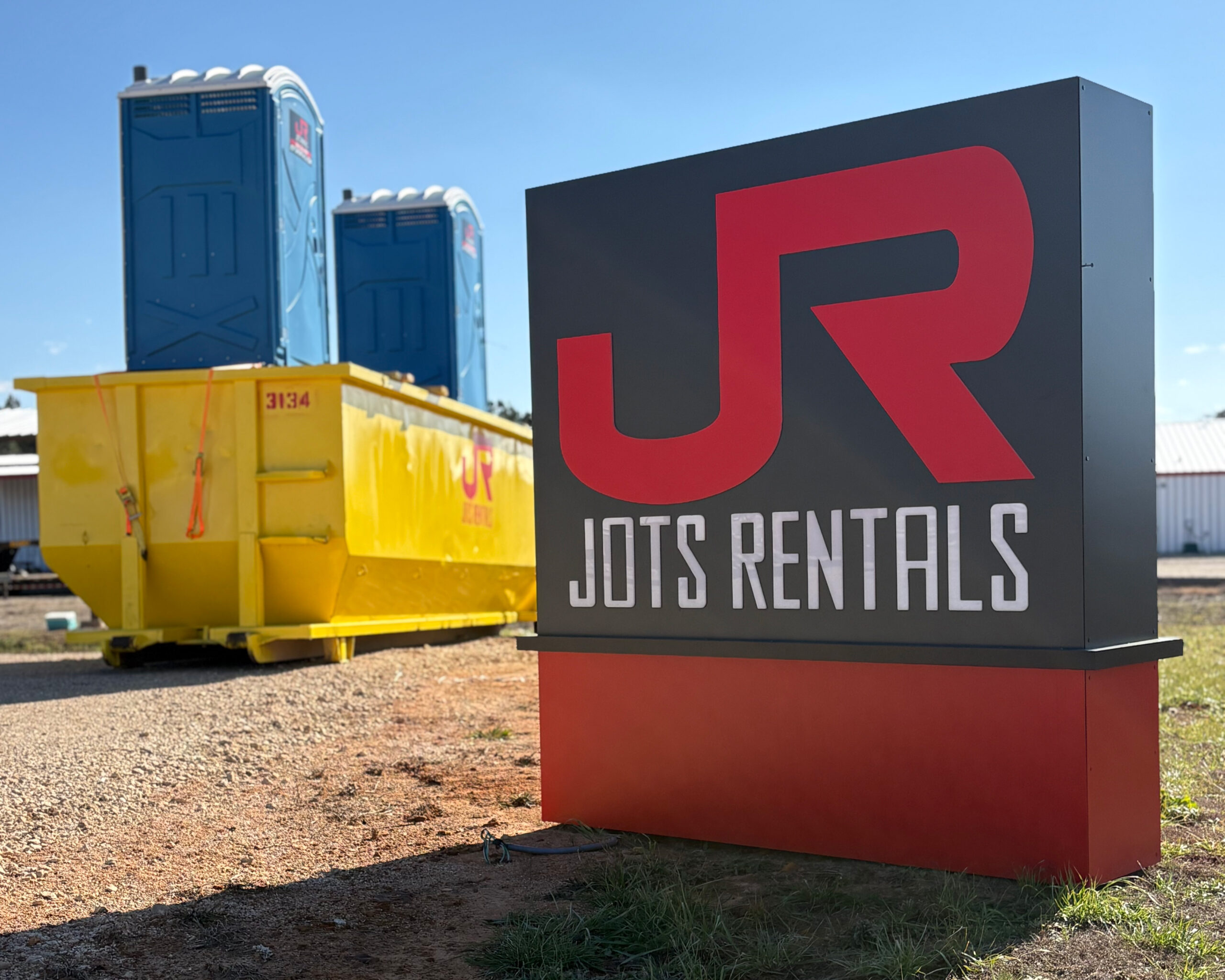
In addition to dumpsters, we offer a full range of portable sanitation options. Need facilities for a big event or a long job? Check our standard restrooms, special event restrooms, or restroom trailers.
We also provide wheelchair accessible units to help you meet accessibility needs on site. Many regional construction firms rely on our prompt service and straightforward pricing—testimonials often highlight our reliability and customer care.
Frequently Asked Questions
What factors should I consider when choosing a dumpster size for my construction project?
Think about the type and volume of debris, how long you’ll need the dumpster, and how much space you have on site. Smaller remodels typically use 10–15 yard units; large builds or demolitions often need 30–40 yard containers. If you’re unsure, call us—we’ll help you pick the right size for the job.
How can I ensure compliance with local waste disposal regulations?
Check what materials are prohibited in roll‑off dumpsters (like hazardous liquids, tires, or certain electronics) and whether you need a placement permit. Your local municipality or JOTS Rentals can help you confirm rules for your site and project.
What are the environmental benefits of using a construction dumpster?
A dumpster keeps debris contained and reduces litter and contamination on site. Many materials—metal, concrete, clean wood—can be recycled when properly sorted, which lowers landfill waste and greenhouse gas emissions.
Can I place a dumpster on the street or in a public area?
Placing a dumpster in a public right‑of‑way usually requires a permit from the city or parish. Rules and fees vary, so check with local authorities. We can advise on permitting and recommend safe placement that won’t block traffic.
What should I do if my dumpster is full before my project is complete?
If the dumpster fills up early, call us to schedule a pickup and replacement. You can also upgrade to a larger unit or add an extra dumpster to avoid delays. Planning for peak waste phases helps prevent interruptions.
Are there any additional fees associated with dumpster rentals?
Possible extra charges include overweight fees, charges for keeping the dumpster beyond the agreed rental period, or disposal fees for prohibited items. We’ll review potential fees with you up front so there are no surprises.