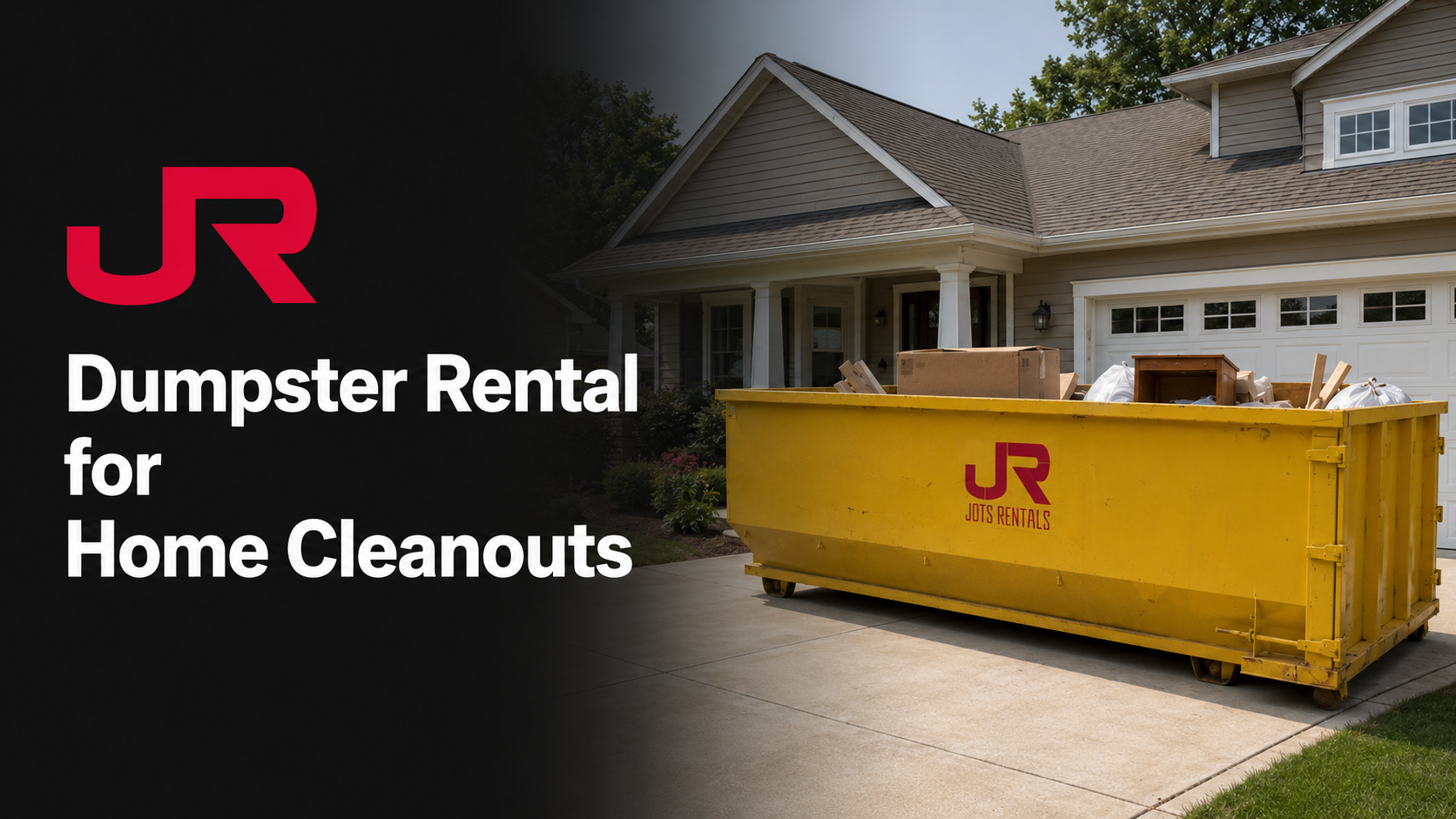
When planning a home cleanout, a clear understanding of the dumpster rental process ensures efficient waste management. This guide explains the rental steps, cost factors, size options, and practical tips. Homeowners often encounter challenges when decluttering; a reliable dumpster rental service can simplify the task. After reading, you will have the information needed to navigate dumpster rental in East Texas and complete your cleanout smoothly.
Rental Process
Renting a dumpster follows a few straightforward steps to obtain the correct container. Begin by requesting a quote and specifying your requirements. After receiving and approving the quote, schedule delivery to your address. Load the dumpster as needed. When finished, request pickup, and the rental company will remove the unit and provide a final invoice.
Cost Considerations
Understanding costs is essential for budgeting your cleanout. Key factors include the base rental rate, tonnage allowance, rental duration, disposal fees, and any delivery or distance charges.
Available Size Options
Selecting the correct dumpster size ensures adequate capacity for your cleanout. Standard sizes serve different project types and requirements. Common options include the sizes listed below.
- 10-Yard Dumpster: Measures approximately 12′ × 8′ × 3.5′; ideal for small cleanouts and yard waste.
- 20-Yard Dumpster: Measures approximately 22′ × 8′ × 4′; suitable for home renovations and garage cleanouts.
- 30-Yard Dumpster: Measures approximately 22′ × 8′ × 5′; perfect for larger remodeling projects.
- 40-Yard Dumpster: Measures approximately 23′ × 8′ × 7′; designed for major construction and demolition projects.
JOTS Rentals provides a range of these dumpster sizes to meet your requirements, ensuring you have the appropriate container for your cleanout.
Tips for Efficient Use
To maximize the efficiency of your dumpster rental, consider the following tips:
- Choose the Right Size: Assess the volume of waste to select an appropriately sized dumpster.
- Load Safely: Distribute weight evenly and avoid overfilling to ensure safe transport.
- Know What to Dispose: Familiarize yourself with acceptable materials to avoid additional fees.
- Permit Requirements: Check local regulations to determine if a permit is needed for placement.
- Prepare the Site: Ensure the delivery area is accessible and clear of obstacles.
Applying these practices will streamline your cleanout and optimize the value of your rental.
How to Choose the Right Roll Off Dumpster Size for Your Home Cleanout
Selecting the appropriate roll-off dumpster requires evaluating the project scope and the type of waste to be disposed. Assess site access, as larger dumpsters need more space for delivery and pickup. Verify permit requirements, particularly for placement on public property. Considering these factors will help you choose the correct size for your needs.
What Are Common Dumpster Sizes Available for Residential Cleanouts?
Common dumpster sizes for residential cleanouts include:
- 10-Yard Dumpster: Best for small projects like garage cleanouts or yard waste.
- 20-Yard Dumpster: Ideal for medium-sized renovations or cleanouts.
- 30-Yard Dumpster: Suitable for larger home remodeling projects.
- 40-Yard Dumpster: Designed for extensive cleanouts or construction debris.
Knowing these options will assist you in selecting the right dumpster for your project.
How to Estimate the Appropriate Dumpster Size for Your Project
Estimate size by measuring debris volume and considering material density. Online calculators can assist by factoring waste type and volume to recommend a size. Also, account for site access limitations. These steps support an informed decision on the appropriate dumpster size.
What Factors Influence Dumpster Rental Costs in East Texas?
Several factors can affect dumpster rental costs in East Texas, including:
- Dumpster Size: Larger dumpsters typically come with higher rental rates.
- Rental Duration: Longer rental periods may incur additional fees.
- Location: Proximity to the rental company can influence delivery charges.
- Tonnage Allowance: Exceeding the weight limit can result in extra fees.
- Disposal and Transfer Fees: Vary based on the type of waste being disposed of.
Awareness of these factors will help you plan and budget accordingly.
Solid Waste Management Costs & Regulations in Rural Texas
Extract: Nationally, expenditures for solid waste collection and disposal are exceeded only by spending on schools and roads [3, p. 1]. In Texas, recent legislation that establishes minimum acceptable standards for disposal of municipal solid wastes materially affects the future costs of operating solid waste management systems for smaller rural communities. The 1969 amendment to the Texas Solid Waste Disposal Act establishes the minimum legal standards for disposal operations in rural communities. The State Department of Health was given responsibility for enforcement of regulations involving the collection, handling, storage, and disposal of municipal solid wastes. After January 1, 1973, data presented in support of disposal operations in Texas communities larger than fifteen hundred people must be prepared by a registered professional engineer and submitted to the State Department of Health for approval. Under the auspices of this act all towns with a population of between thre
Costs of solid waste management in rural Texas communities, 1973
How Do Rental Duration and Dumpster Size Affect Pricing?
Rental duration and dumpster size together determine pricing. Larger dumpsters have higher base rates, and extending the rental period typically adds charges. For example, a 20-yard dumpster may cost $350 for one week; extending for an additional week will increase the total. Confirm rates and terms with your provider to avoid unexpected expenses.
Are There Additional Fees for Delivery, Placement, or Permits?
Additional fees may apply to dumpster rentals. Common examples include:
- Delivery Fees: Charges for transporting the dumpster to your location.
- Permit Costs: Fees for obtaining necessary permits, especially for street placement.
- Overweight Fees: Charges incurred if the dumpster exceeds the weight limit.
Awareness of these potential fees helps you budget accurately for your cleanout.
What Are the Guidelines for Delivery, Placement, and Timing of Dumpster Rentals?
Consider the following guidelines when scheduling delivery:
- Public vs. Private Property: Ensure you have permission to place the dumpster on your property or public space.
- Scheduling Delivery: Arrange for delivery at a time that allows for easy access.
- Preparation for Delivery: Clear the area where the dumpster will be placed to facilitate a smooth drop-off.
Following these guidelines will promote a smooth rental experience.
When Should You Schedule Dumpster Delivery and Pickup?
Schedule delivery several days before you begin the cleanout to allow time for placement. Coordinate pickup with the rental company so the dumpster is collected promptly after loading. This reduces the risk of additional rental charges.
Can You Place a Dumpster on the Street or Driveway?
Placement on a street or driveway is often permitted but may require a permit depending on local regulations. Verify permit requirements with local authorities and ensure the dumpster does not obstruct traffic or violate zoning rules.
Which Materials Are Acceptable and Prohibited in Dumpster Rentals?
Know which materials are accepted and which are prohibited before renting. Commonly accepted materials include:
- Construction Debris: Wood, drywall, and other renovation waste.
- Household Junk: Furniture, appliances, and general clutter.
- Yard Waste: Grass clippings, branches, and leaves.
Prohibited materials include hazardous waste, chemicals, and electronics. Adhering to these guidelines will help you avoid additional fees and ensure compliance with local regulations.
What Items Are Typically Allowed in Residential Dumpster Rentals?
Residential rentals commonly accept the following items:
- Construction Debris: Renovation materials like wood and drywall.
- Household Junk: Unwanted furniture and appliances.
- Yard Waste: Organic materials such as grass and branches.
Knowing what items are permitted allows you to plan your cleanout efficiently and avoid unexpected issues.
What Materials Are Not Permitted and Why?
Certain materials are prohibited due to safety and environmental concerns. These include:
- Hazardous Materials: Chemicals and toxic substances that pose health risks.
- Electronics: Items like TVs and computers that require special disposal.
- Batteries: Contain harmful substances that can leach into the environment.
Avoiding these materials is essential for complying with local regulations and protecting the environment.
How Do Portable Restroom and Sanitation Rentals Complement Dumpster Services?
Portable restroom and sanitation rentals improve on-site convenience and complement dumpster services. They provide necessary facilities for workers and homeowners, maintaining hygiene and comfort during the project. This is particularly useful for larger jobs where access to indoor restrooms is limited. For more information on options, you can explore
Frequently Asked Questions
What should I do if I need a dumpster for a long-term project?
For long-term rentals, notify your provider in advance. Many companies offer flexible agreements for extended periods. Ask about any additional fees that may apply based on dumpster size and rental length. Early planning helps avoid unexpected costs and secures the capacity you need.
Can I rent multiple dumpsters at once for a large cleanout?
Renting multiple dumpsters is common for large cleanouts. Using separate containers can simplify handling different waste types, such as construction debris, household junk, and yard waste. When ordering multiple units, provide clear specifications so the rental company can schedule delivery and pickup appropriately.
How can I ensure I’m following local regulations for dumpster placement?
To ensure compliance, consult your city or county waste management office for information on required permits, placement restrictions, and zoning rules. Your rental company can also advise on local procedures and proper placement to help avoid fines or delays.
What happens if I exceed the weight limit of my rented dumpster?
If you exceed the dumpster’s weight limit, the rental company may assess overweight charges, which can be significant. Estimate the weight of your waste and distribute loads to avoid exceeding the weight limit. If uncertain, request guidance from your provider on weight limits and load management.
Are there specific times when dumpster rentals are more affordable?
Dumpster rental prices vary with demand, seasonality, and local events. Off-peak periods, such as winter months, often offer lower rates. Booking weekdays and comparing quotes from multiple providers can also yield better pricing. Ask about current promotions or discounts to secure the best value.
What should I do if I have hazardous materials to dispose of?
Hazardous materials cannot be placed in standard dumpsters for safety and regulatory reasons. Contact your local waste management facility for proper disposal instructions. Many communities provide special collection events or designated drop-off locations for hazardous items to ensure safe handling and legal compliance.
Can I use a dumpster rental for commercial projects?
Dumpster rentals are suitable for both commercial projects and residential cleanouts. Businesses commonly use dumpsters for renovations, construction, and large-scale clear-outs. Provide detailed project information to the rental company so they can recommend appropriate sizes and flexible rental terms for your commercial needs.