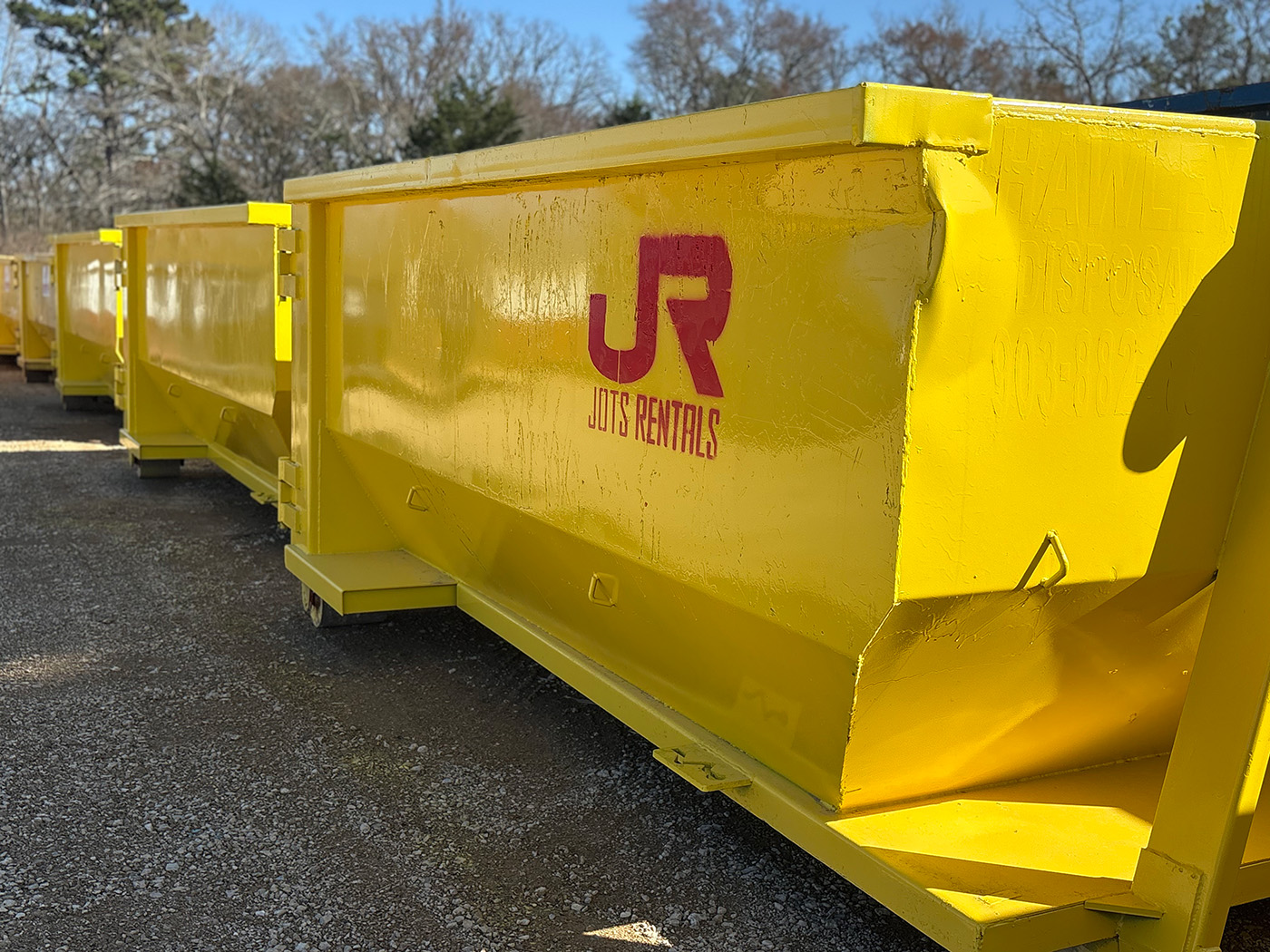
Picking the right dumpster for a remodel keeps your job moving and your site tidy. Whether you’re swapping countertops in the kitchen, updating a bathroom, or tackling a whole-house refresh, the correct dumpster size saves time, money, and headaches. This guide walks you through common dumpster sizes, what to consider for your project, and local rental notes for Northeast Texas and Northwest Louisiana so you can plan with confidence. Many homeowners underestimate renovation debris — planning ahead helps you avoid delays and extra trips to the landfill.
Remodels often need more than just a dumpster. For a smoother project, consider renting other site gear from the same company. You can easily contact a rental company to talk through what your job needs.
Which Roll-Off Dumpster Sizes Are Best for Remodeling Projects?
Understanding roll-off sizes helps you match capacity to the amount of waste your remodel will produce. The most common residential sizes are 10, 15, 20, 30, and 40 yards. Each works better for certain scopes and debris types — choose the one that fits your project to avoid overpaying or running out of space.
What Are the Dimensions and Capacities of 10, 15, 20, 30, and 40-Yard Dumpsters?
Here’s a side-by-side look at the typical dimensions and capacities for the most used dumpster sizes:
Dumpster Size | Dimensions (L x W x H) | Capacity (Cubic Yards) | Typical Uses |
10-Yard | 12 ft x 8 ft x 3.5 ft | 10 cubic yards | Small remodels, garage cleanouts |
15-Yard | 16 ft x 8 ft x 4 ft | 15 cubic yards | Small to medium remodels, yard waste |
20-Yard | 22 ft x 8 ft x 4.5 ft | 20 cubic yards | Medium remodels, roofing projects |
30-Yard | 22 ft x 8 ft x 6 ft | 30 cubic yards | Large remodels, construction debris |
40-Yard | 22 ft x 8 ft x 8 ft | 40 cubic yards | Major renovations, large construction sites |
How Do Different Dumpster Sizes Suit Various Remodel Scopes?
Renovations produce different volumes of waste. A small bathroom demo might only need a 10-yard container, while a full kitchen gut could fill a 20- or 30-yard. Below are common pairings to help you estimate what you’ll need:
- 10-Yard Dumpster: Great for small jobs like a single bathroom update or light landscaping.
- 15-Yard Dumpster: Works well for small-to-medium projects, cleanups, and yard debris.
- 20-Yard Dumpster: A solid choice for medium remodels — think kitchen refreshes or bigger landscaping.
- 30-Yard Dumpster: Best for larger renovations and construction jobs that generate a lot of debris.
- 40-Yard Dumpster: Built for major renovations and large construction sites with heavy waste loads.
Knowing the scale of your remodel makes it much easier to pick the right container.
How Do You Choose the Right Dumpster Size for Your Remodel?
Choosing the right size comes down to a few practical factors. Look at the project scope, the types of materials you’ll toss, and any weight limits that could affect your rental.
What Factors Affect Dumpster Size Selection for Remodeling?
These three items usually determine the size you’ll need:
- Project Scope: Bigger remodels make more waste — plan accordingly.
- Debris Type: Some materials take up more space or weigh more than others.
- Weight Considerations: Heavy materials can hit weight caps before the dumpster is full.
Reviewing those points before you order will keep your project on budget and on schedule.
How Does Debris Type and Weight Influence Dumpster Choice?
Debris makeup matters. Heavy items like concrete, brick, or metal can quickly reach the truck’s weight limit, even if there’s still room. In those cases you may need a container with a higher weight allowance or more than one dumpster. Lighter materials — wood, drywall, or insulation — are easier to pack and usually fit into smaller containers. Typical examples include:
- Heavy Debris: Concrete, bricks, and metal — watch weight limits and consider additional containers if needed.
- Light Debris: Wood, drywall, and insulation — these pack well and usually require less volume.
Match the dumpster to your debris type to avoid overage fees or an early pick-up.
What Dumpster Size Do You Need for Specific Remodel Types?
Different remodels produce different amounts of waste. Below are straightforward recommendations for common jobs.
Which Dumpster Size Is Ideal for a Kitchen Remodel?
A 20-yard dumpster is often the sweet spot for a kitchen remodel — it handles cabinets, countertops, and appliances. If you’re doing a full gut or removing bulky items, bump up to a 30-yard to be safe.
What Dumpster Size Works Best for a Bathroom Remodel?
A typical bathroom remodel usually fits in a 10-yard dumpster. It covers fixtures, tile, and small demo waste. Remodeling multiple bathrooms or making major structural changes may call for a 15- or 20-yard unit instead.
How Can You Estimate Debris Volume for Your Remodel Dumpster?
Estimating debris volume ahead of time helps avoid last-minute rentals. Use measuring, weight estimates, or online tools to get a clear picture of what you’ll produce.
Longer remodels also benefit from onsite amenities. Reliable standard restrooms can keep your crew comfortable and the site clean for projects that run several days or weeks.
What Methods Help Calculate Debris Volume Accurately?
Try these practical approaches:
- Measuring: Measure piles or boxed debris to estimate volume.
- Weight Estimation: Use typical weight ranges for materials to estimate totals.
- Online Calculators: Quick tools can convert your inputs into recommended dumpster sizes.
Combine methods for a more accurate estimate and fewer surprises.
How to Use Pickup Truck Load Equivalents to Visualize Dumpster Capacity?
Comparing dumpsters to pickup loads makes capacity easier to picture. A 10-yard dumpster holds roughly three pickup truck loads; a 20-yard holds about six. Use those equivalents to visualize how much debris you’ll generate.
What Are the Costs and Local Considerations for Dumpster Rental in Northeast Texas and Northwest Louisiana?
Local rules and rental terms affect price and placement. Know permit requirements, placement limits, and typical pricing so you can budget correctly.
How Do Rental Duration and Dumpster Size Affect Pricing?
Cost depends on size and rental length. Bigger dumpsters and longer rentals generally cost more. Watch for extra charges like overage fees or late returns. Key pricing drivers include:
- Size: Larger units have higher base rates.
- Duration: Longer rentals increase the total price.
- Additional Fees: Exceeding weight limits or extending the rental can add costs.
What Local Permits and Regulations Should You Know?
In Northeast Texas and Northwest Louisiana, some areas require permits or have placement rules — especially for street or curb placement. Typical rules to check:
- Placement Restrictions: Dumpsters may need to stay on private property or in approved spots.
- Permit Requirements: Some municipalities ask for permits for curb or street placement.
- Time Limits: Local limits may restrict how long a dumpster can stay on-site.
Knowing local rules ahead of time prevents fines and delays.
If your project needs extra accessibility or higher comfort, there are portable restroom options available — including wheelchair-accessible units to keep your site compliant and welcoming.
What Are Best Practices for Using a Remodel Dumpster Efficiently and Responsibly?
Using the dumpster the right way saves space and money. Follow these simple practices to get the most out of your rental.
What Items Are Allowed and Prohibited in Remodel Dumpsters?
Know what you can and can’t toss. Common guidelines include:
- Allowed: Construction debris, old furniture, appliances, yard waste.
- Prohibited: Hazardous materials, electronics, tires, batteries, chemicals.
Always confirm allowed items with your rental company before loading the dumpster.
For projects with clients or longer timelines, consider upgrading comfort with deluxe flushable restrooms to keep the site professional and comfortable.
How Can You Maximize Dumpster Space and Support Recycling Efforts?
Simple loading strategies help you fit more and divert recyclables from the landfill:
- Break Down Items: Disassemble furniture and appliances where possible.
- Sort Debris: Separate recyclables so they don’t occupy general waste space.
- Load Strategically: Put heavy items on the bottom and lighter items on top.
These steps make the dumpster last longer and keep costs down while supporting recycling.
This table summarizes common uses, estimated costs, and local rules to help you decide which dumpster fits your project.
Dumpster Size | Typical Uses | Estimated Cost | Local Regulations |
10-Yard | Small remodels, garage cleanouts | $300-$450 | Permit may be required |
15-Yard | Small to medium remodels, yard waste | $350-$500 | Check local placement rules |
20-Yard | Medium remodels, roofing projects | $400-$600 | May require permit |
30-Yard | Large remodels, construction debris | $500-$700 | May require permit |
40-Yard | Major renovations, large construction sites | $600-$800 | Strict placement regulations |
With the right dumpster, an accurate debris estimate, and attention to local rules, your remodel will run cleaner and smoother.
Frequently Asked Questions
What should I consider when estimating debris volume for my remodel?
Measure the larger items you’ll throw away and estimate weights by material type. Use online calculators if you want a quick estimate. Combining measurements and weight estimates gives the best result and helps you avoid extra rentals.
How can I visualize the capacity of different dumpster sizes?
Think in pickup truck loads: a 10-yard dumpster is about three truck loads; a 20-yard is roughly six. That comparison makes it easier to picture how much you’ll need.
What are the common mistakes to avoid when renting a dumpster?
Common errors include underestimating size, not checking local permit rules, and ignoring debris weight. These mistakes can lead to extra fees or delays — so plan your needs and confirm rules with your rental company before ordering.
Are there any eco-friendly practices I should follow when using a dumpster?
Yes. Separate recyclables, break items down to save space, and ask your rental company about recycling options. Small steps can reduce landfill waste and sometimes lower your costs.
How do I ensure compliance with local regulations when renting a dumpster?
Contact local authorities to ask about permits and placement rules, especially if you plan to put a dumpster on the street or curb. Your rental company can also advise on local requirements to keep the process simple.
What additional services should I consider for my remodeling project?
Think beyond the dumpster: portable restrooms, accessible units, and upgraded restroom options make the site safer and more comfortable for workers and visitors. Bundling rentals with one provider can streamline scheduling and delivery.