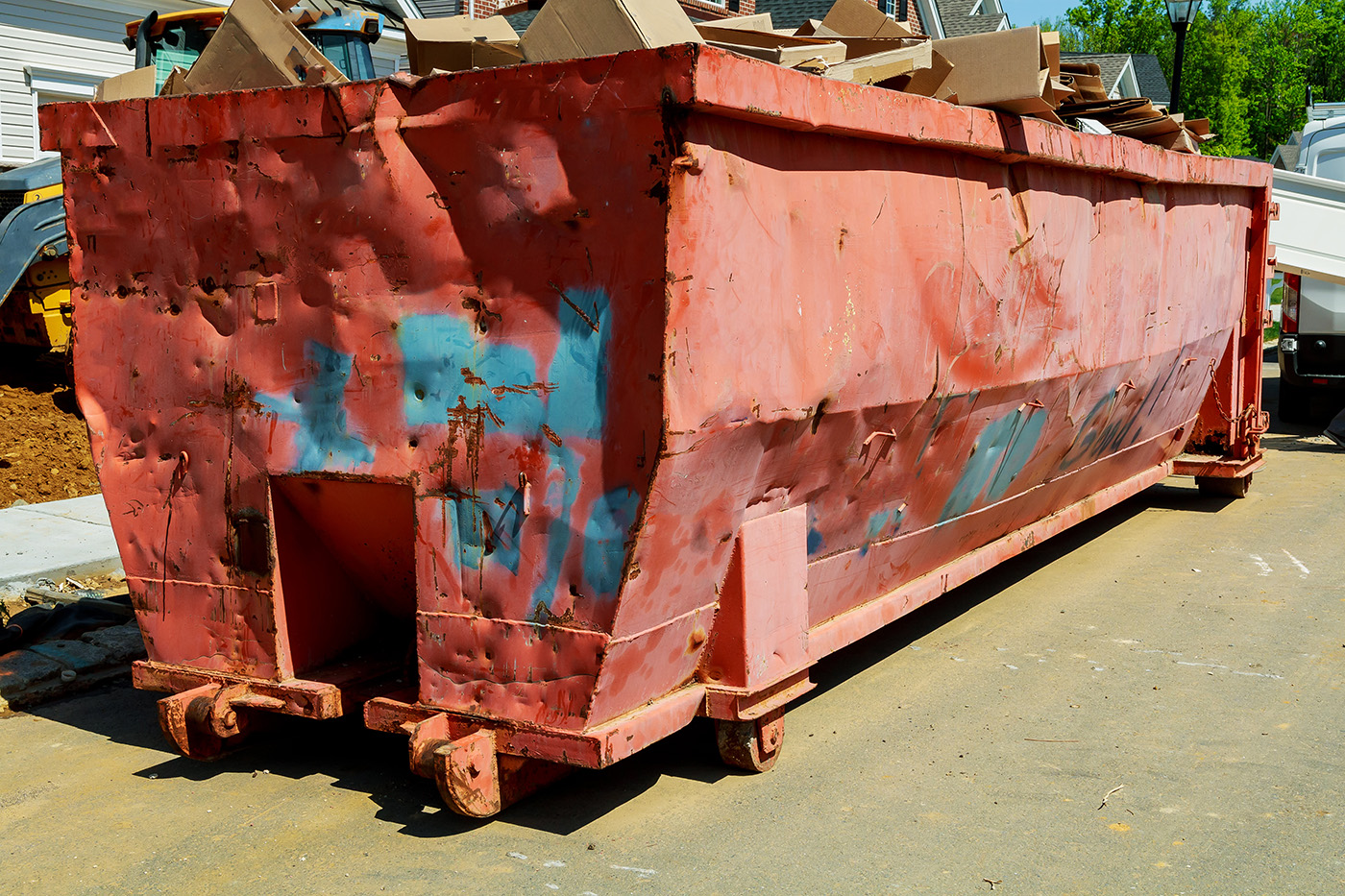
Whether you’re organizing an event or managing a build, waste piles up quickly, and handling it well keeps your site clean and compliant. Renting a commercial dumpster is a practical way to manage large volumes of trash from events, renovations, or construction. This guide covers the situations that call for a dumpster, how to pick the right size, typical rental costs, and smart waste-management practices so you know when and how to use commercial dumpster services.
Common situations that call for a commercial dumpster
Commercial dumpster rentals make sense whenever you expect substantial waste. Typical scenarios include:
- Construction projects: New builds and remodels produce heavy debris that’s easiest handled with a dedicated dumpster.
- Home renovations: Major upgrades and cleanouts generate furniture, fixtures, and construction waste that add up fast.
- Event cleanups: Large gatherings, from weddings to festivals, usually create more trash than onsite trash cans can handle.
In these cases, a commercial dumpster speeds cleanup and helps you meet local disposal rules. JOTS Rentals provides dumpster options for both events and construction sites, keeping your waste plan simple and reliable.
Which events typically need a dumpster?
Events that often produce enough waste to justify a dumpster include:
- Weddings: Between catering, decorations, and guest waste, a single large reception can fill multiple trash bags.
- Festivals: Food vendors, booths, and crowds typically create high volumes of disposable packaging and food waste.
- Corporate events: Conferences and trade shows generate excess packaging, promotional materials, and food-service refuse.
Estimating the amount of waste your event will produce helps you choose the right container and avoid last-minute hassles.
How proper commercial waste disposal helps large events
Organized waste management keeps events running smoothly. The main benefits are:
- Cleaner venues: Regular removal prevents overflow, reduces odors, and keeps public spaces presentable.
- Better environmental outcomes: Sorting trash, recycling, and composting lower landfill impact and support sustainability goals.
Using a commercial dumpster lets event teams focus on the guest experience while waste is handled responsibly in the background.
How to choose the right roll off dumpster size for your event
Picking the right dumpster size prevents overage fees and avoids running out of capacity mid-project. Size should match the scale of your event or job and the types of materials you’ll discard.
Available dumpster sizes and their capacities
Common commercial dumpster sizes include:
- 10-yard dumpster: Best for small cleanouts or minor renovations; holds roughly 2–3 tons of debris.
- 20-yard dumpster: A solid choice for medium projects like larger home renovations; holds about 3–4 tons.
- 30-yard dumpster: Suited for major renovations or modest construction jobs; capacity is around 5–6 tons.
- 40-yard dumpster: For large-scale construction or big cleanouts; can hold up to 7–8 tons.
Choosing the right size ensures you have adequate capacity without paying for unused space or facing unexpected weight overages.
How dumpster size affects cost and disposal
Dumpster size influences both the rental fee and disposal charges. Bigger containers cost more to rent, and exceeding the weight limit can trigger extra fees. Accurately estimating your waste volume and the weight of materials like concrete or soil helps avoid surprises on the final bill.
Typical dumpster rental costs and duration options
Knowing price ranges and standard rental periods makes budgeting easier for events and projects.
How much does a temporary dumpster rental usually cost?
Expect a typical 20-yard temporary dumpster to cost between $300 and $600. Actual pricing varies by region, rental length, and the provider you choose.
What rental durations are available for commercial dumpsters?
Most rentals are flexible, from a few days up to several weeks. A common standard rental period is 7 to 14 days, which covers most events and mid-size projects. If you need more time, ask your provider about extensions and any additional fees.
Best practices for event waste management using commercial dumpsters
Following a few simple practices will make cleanup faster and more sustainable.
What types of waste belong in commercial dumpsters?
Commercial dumpsters accept a wide range of materials, including:
- Construction debris: Wood, metal, drywall from remodels and builds.
- Household waste: Furniture, appliances, and general junk from cleanouts.
- Event waste: Food scraps, packaging, decorations, and other onsite trash.
Certain items must be kept out of standard dumpsters — hazardous materials, electronics, tires, batteries, and chemicals are commonly prohibited.
Regulations and sustainable practices event planners should follow
To stay compliant and reduce environmental impact, event planners should:
- Recycle: Set up clearly labeled recycling stations and separate recyclables from general trash.
- Compost: Collect food scraps and other compostable organics when possible to cut landfill volume.
- Educate: Brief staff and guests on where items go so sorting is easy and contamination is minimized.
Applying these steps helps you manage waste efficiently while supporting sustainability goals.
Frequently Asked Questions
What should I consider when renting a commercial dumpster?
Think about the type and estimated volume of waste, the dumpster size you need, how long you’ll need it, and any local disposal rules. Also review the rental company’s reputation, what’s included in the price, pickup and delivery options, and fees for extra weight or extended rentals.
Can I put a dumpster on the street or sidewalk?
Sometimes, but many cities require a permit to place a dumpster on public property. Rules vary, so check with your local public works or permitting office ahead of time. If a permit is needed, apply early and use cones or barriers to keep the area safe for pedestrians and vehicles.
How do I prepare for a dumpster delivery?
Clear the intended area of cars, debris, and low branches so the truck can reach the spot easily. Make sure there’s enough room for the dumpster and mark the placement area if helpful. Let your rental company know any access concerns or special instructions.
What if my dumpster fills up before the project is finished?
If that happens, you can schedule a pickup and empty-and-return service, or rent a second dumpster. Talk to your rental provider about the quickest, most cost-effective option for your timeline.
Are there items I can’t dispose of in a commercial dumpster?
Yes. Hazardous materials like chemicals, certain electronics, tires, batteries, and medical waste are typically prohibited. Some providers also restrict large appliances or specific construction items. Always confirm the full list of prohibited items with your rental company to avoid fines or extra charges.
How can I ensure my waste is disposed of sustainably?
Separate recyclables, set up composting for food scraps, and work with a rental company that follows local recycling rules. Educate staff and attendees on proper disposal to reduce contamination. Those steps go a long way toward lowering your event’s environmental footprint.