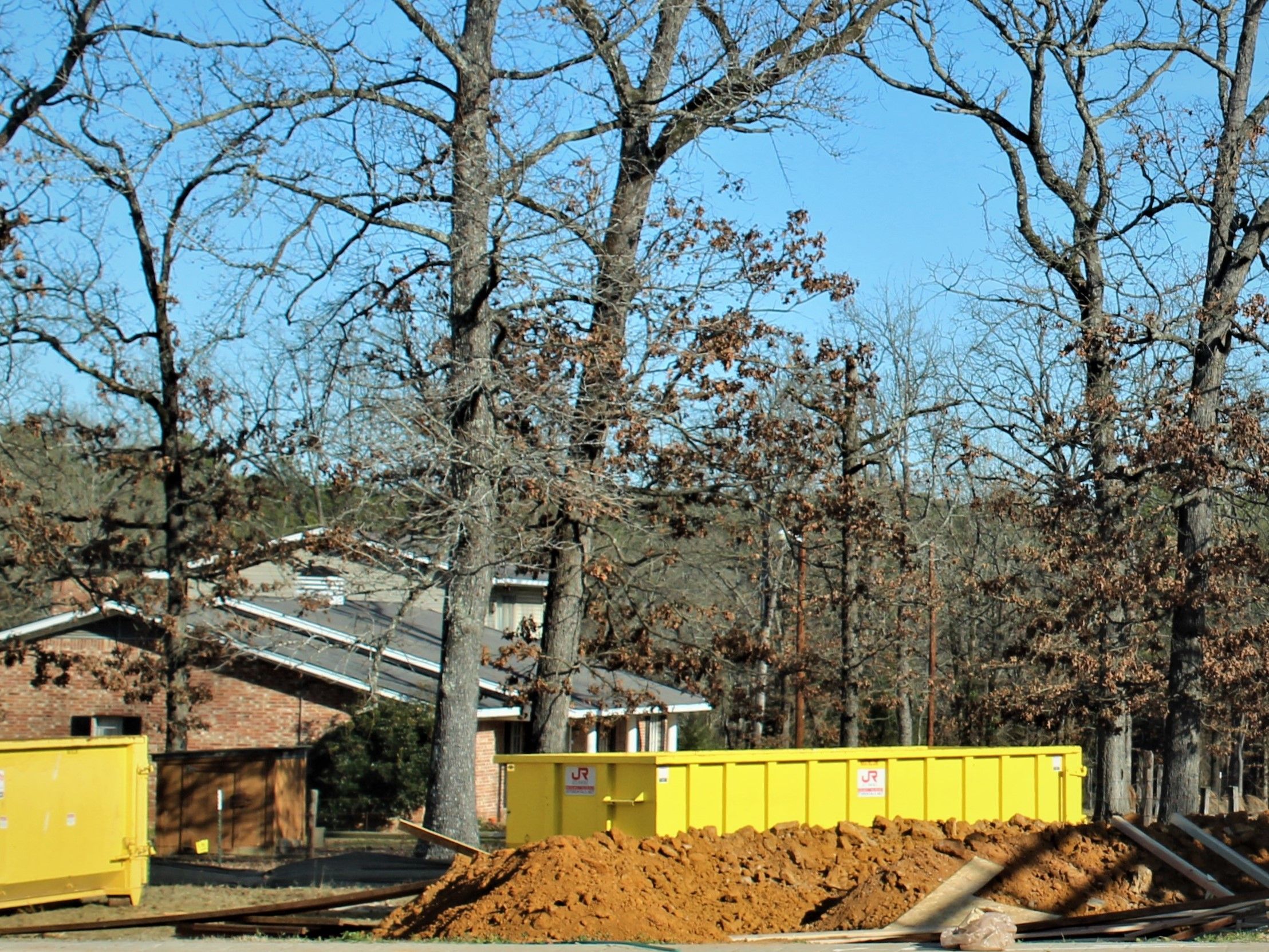
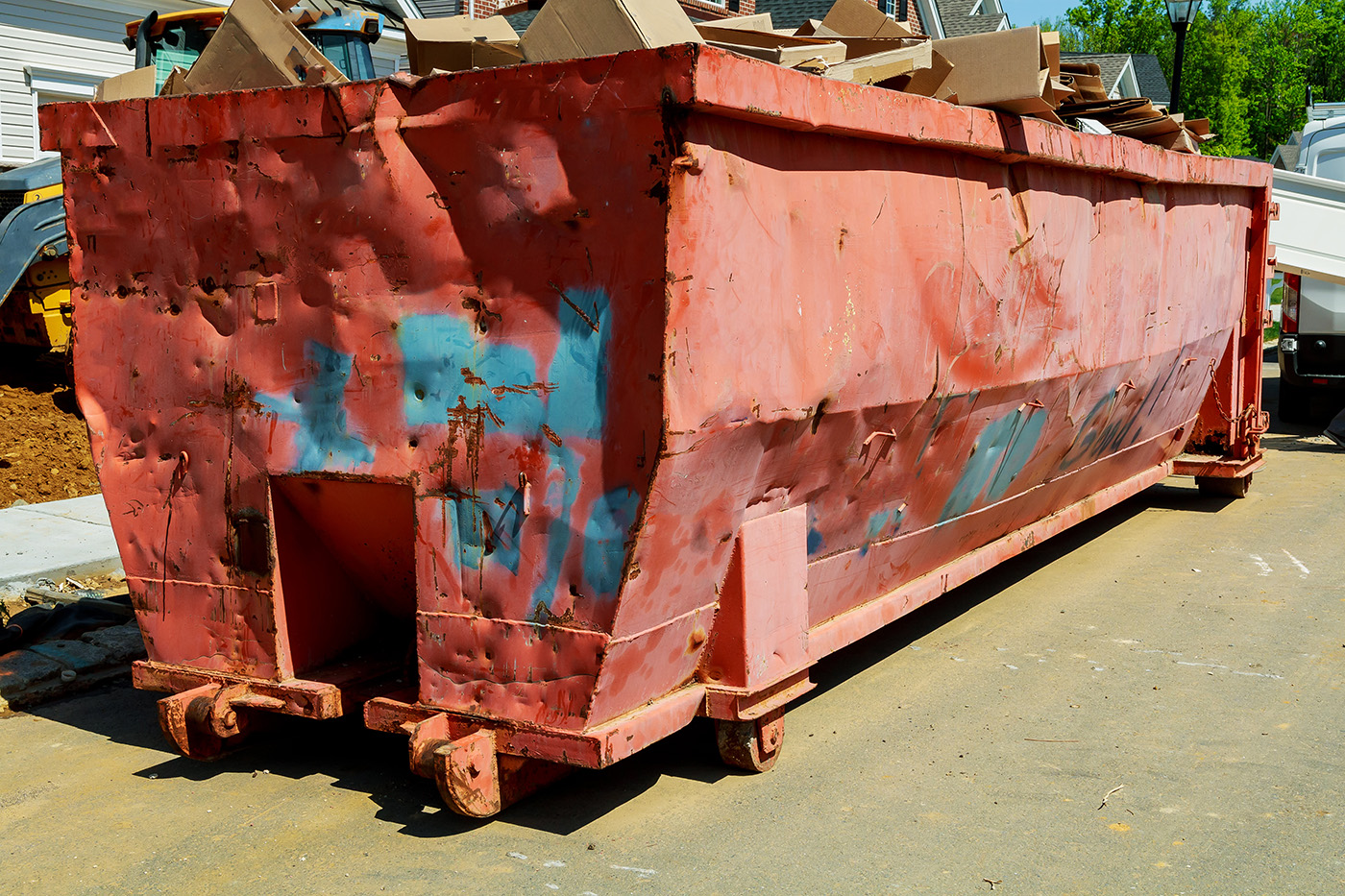
Temporary dumpsters handle waste that standard bins can’t, so they’re rented for construction, remodeling, landscaping, and event cleanups—any project producing bulky or heavy debris. Below we cover common jobs that need a temporary dumpster, the benefits on-site, and how to choose the right size.
Which Construction Jobs Need Temporary Dumpster Rentals?
Construction work creates large volumes of mixed waste; an on-site temporary dumpster improves safety and efficiency. For single-family builds, commercial renovations, or infrastructure projects, a roll-off dumpster centralizes debris and aids site organization and compliance.
How Do Temporary Dumpsters Support Construction Waste Management?
Dumpsters give crews a single place for debris, reducing clutter and trip hazards. When full, the rental company hauls the container away so cleanup doesn’t stall progress—helping keep work on schedule.
What Dumpster Sizes Are Ideal for Construction Projects?
Picking the right size avoids overfilling and extra trips. Typical options include:
- 10-yard dumpster: Good for small cleanouts or minor remodels.
- 20-yard dumpster: A solid fit for medium projects like kitchen remodels.
- 30-yard dumpster: Suited for larger construction work, including home builds.
- 40-yard dumpster: Best for big commercial jobs or extensive renovations.
Match size to expected debris volume to keep the job running smoothly and avoid fees.
What Remodeling and Renovation Jobs Require Roll Off Dumpster Rentals?
Remodels generate bulky waste—cabinets, drywall, flooring—so roll-off dumpsters are common for homeowners and contractors. They make collecting demolition debris simple and help keep the work area tidy. Typical projects include kitchen and bathroom updates, basement finishes, and room additions.
Why Choose Roll Off Dumpsters for Home Remodeling Waste?
Open-top roll-offs are easy to load and come in multiple sizes. Placing one near the work area speeds removal and minimizes disruption to the rest of the property.
How to Estimate Dumpster Size for Remodeling Jobs?
Estimate size with a quick process:
- Measure the area: Note the square footage of the room or portion being renovated.
- Estimate debris volume: Consider what’s coming out—drywall, flooring, cabinets—and how much space those items occupy.
- Consult size guides: Use rental tools or online calculators to match your volume to a dumpster size.
These steps reduce the risk of delays or extra charges from underestimating waste.
Which Landscaping Jobs Benefit from Temporary Dumpster Rentals?
Landscaping can produce surprising volumes of branches, soil, pavers, and organic debris. A temporary dumpster contains material and speeds cleanup for tree removal, yard overhauls, and large plantings.
What Types of Waste in Landscaping Require Dumpster Services?
Common landscaping waste handled by dumpsters includes:
- Branches and tree limbs: From trimming or removal.
- Soil and mulch: Leftovers from bed work or large plantings.
- Grass clippings and leaves: When clearing large areas or doing seasonal cleanups.
Separating organic material from construction debris helps with proper disposal and recycling or composting where available.
How to Select the Right Dumpster for Landscaping Cleanup?
Choose by estimating both volume and material type. Tips:
- Estimate waste volume: Gauge how much debris you’ll collect after pruning or grading.
- Choose the right size: Pick a container that holds the debris without overflowing.
- Consider site access: Ensure trucks can reach the placement spot and loading is straightforward.
Planning placement and size ahead keeps cleanup efficient and avoids delays.
How Are Temporary Dumpsters Used for Event Cleanup Jobs?
For events, dumpsters make waste management predictable. Placing them near vendor zones or exits reduces litter and streamlines post-event teardown, letting organizers focus on the guest experience. Festivals, weddings, and community gatherings commonly rent dumpsters.
What Event Types Commonly Require Dumpster Rentals?
Events that typically need on-site dumpsters include:
- Outdoor festivals: Large crowds generate disposable packaging and food waste.
- Weddings: Cleanup of decorations, food service waste, and packaging.
- Community events: Fairs, markets, and similar gatherings with mixed refuse.
An on-site dumpster helps keep the venue clean during the event and speeds teardown afterward.
How Do Temporary Dumpsters Facilitate Efficient Event Waste Management?
Centralized disposal points reduce litter and make collection easier for staff or volunteers. Prompt removal of full containers cuts pest and odor issues. With proper placement and pickup scheduling, dumpsters let event teams run a smoother operation.
Frequently Asked Questions
What are the benefits of using temporary dumpsters for home improvement projects?
Rentals simplify cleanup, reduce trip hazards, and keep work areas organized. Predictable removal schedules also help projects stay on track.
How long can I keep a temporary dumpster rental?
Rental periods vary, often from a few days to several weeks. Most companies allow extensions for a fee—confirm availability ahead of time.
Can I dispose of hazardous materials in a temporary dumpster?
No. Paints, solvents, batteries, and certain electronics need special handling and are usually prohibited. Use local hazardous waste facilities or special collection events for those items.
How do I prepare for a temporary dumpster delivery?
Pick a spot with good truck access, clear obstacles, and ensure the ground is stable. If placed on a driveway or street, check about permits or protective boards. Give placement instructions before delivery so the driver can set the dumpster where you need it.
What should I do if my dumpster overflows?
Stop adding material and contact the rental company. Options include scheduling an earlier pickup, ordering a second dumpster, or arranging a swap. Accurate volume estimates up front help prevent overflow.
Are there weight limits for temporary dumpsters?
Yes—limits vary by size and type. Exceeding them can mean extra fees or pickup refusal. For heavy materials like concrete or dirt, tell the rental company so they can recommend a suitable container and weight allowance.