Renting a dumpster in winter is a smart, often overlooked way for homeowners, contractors, and event planners to keep projects moving when temperatures drop. This guide covers why a roll-off dumpster still makes sense in cold weather, how to prepare your site for delivery and pickup on snow or ice, how to pick the right dumpster size, and how to avoid frozen loads and surprise weight fees. Many people assume snow and freezing temps make dumpsters impractical — but with a little planning (proper placement, a good tarp, and a smart loading order) winter jobs stay on schedule and stay safe. Read on for step-by-step actions to get your property ready for a roll-off truck, clear and de-ice approaches, load to limit frozen buildup, and protect crews and equipment. We also compare dumpster sizes for common winter jobs, explain how snow and ice affect weight and capacity, and point you to local rental options and how to request a winter-ready quote. Tips for winter dumpster rental, cold weather dumpster rental, and region-specific advice for Northeast Texas and Northwest Louisiana are included throughout.
Why Rent a Dumpster for Your Winter Cleanout?
A winter dumpster fixes the two biggest winter headaches: scheduling and containment. A roll-off dumpster gives you one place for waste, cuts down on trips to the transfer station, and helps you finish projects faster during limited weather windows. Winter rentals often mean better availability and more flexible delivery/pickup times — useful when you need to plan around storms or a quick thaw. A contained dumpster also keeps wet, muddy debris from getting tracked into heated buildings and reduces scattered materials that create trip hazards, which makes the site safer for everyone.
For local service and peace of mind, JOTS Rentals serves Northeast Texas and Northwest Louisiana and fields delivery crews who know how to place roll-off units in winter conditions. Naming a local provider like JOTS confirms that winter dumpster rentals are practical — local teams know the neighborhoods and how to position dumpsters in places like Longview, Tyler, Mt. Pleasant, Whitewright, and Kemp. That local experience pairs with the safety and scheduling benefits above.
Below are the main benefits that answer “Can you rent a dumpster in winter?” and help you decide if a winter rental fits your project and timeline.
What Are the Benefits of Renting a Dumpster in Cold Weather?
Winter dumpster rentals bring practical advantages. Centralized disposal keeps work areas tidy and reduces slip risks caused by scattered debris. With fewer peak-season calls, rental companies can often offer tighter delivery windows and more flexible pickups. Keeping wet or muddy materials contained prevents extra clean-up inside heated spaces. And, by renting in winter you avoid delaying work — off-season projects can move forward efficiently with the right planning.
Which Winter Projects Benefit Most from a Dumpster?
Certain jobs especially gain from a winter dumpster because they produce concentrated debris or need quick removal to stay safe. Garage cleanouts, attic and basement clearances, and estate cleanups create mixed trash and bulky items that don’t store well overnight in freezing weather. Interior renovations and ongoing construction still happen in winter, and a roll-off keeps debris managed between trades. Even event cleanup after winter festivals or holiday gatherings benefits from a central container — it saves labor and improves sanitation. The right dumpster keeps crews focused and logistics simple.
How to Prepare Your Site for Winter Dumpster Delivery?
Preparing the drop zone before delivery cuts the chance of stuck trucks or damage to landscaping and driveways. Pick a level spot free of low branches and close to a firm access route for the roll-off truck. Pack down any loose snow where the dumpster will sit, and place support panels — exterior plywood or contractor mats — under the unit to spread the load during freeze-thaw cycles. Mark the area with cones or reflective stakes so the driver can clearly see boundaries in low light or snow.
When you need tailored advice, JOTS Rentals’ delivery teams can recommend the best orientation and support for your property. Getting driver input early avoids last-minute changes and helps ensure safe placement on surfaces that may hide ice or soft spots. The section below walks through specific steps for placing a dumpster on snow or ice.
Steps to Ensure Safe Dumpster Placement on Snow and Ice
Start by inspecting the surface for hidden soft spots, frozen puddles, and nearby slopes that could make the dumpster slide or settle unevenly. Put down two layers of exterior-grade plywood or contractor mats under the dumpster contact points to distribute weight and protect asphalt or lawn. Don’t place the dumpster where meltwater will pool — that water can refreeze and lift the unit unevenly. Share access details with the delivery driver ahead of time so the roll-off truck can approach on the safest route.
How to Maintain Clear Access for Delivery and Pickup in Winter
Keep a regular snow-clearing routine while the dumpster is on site: shovel or plow the truck approach and turnaround after any storm over a dusting, and pre-treat paths with sand or salt where it’s safe for plants. Leave about a three-car-length turnaround so the roll-off truck can enter and exit without risky maneuvers on ice. Put up visible markers and temporary signs to keep cars and foot traffic away from the approach. If the weather worsens, tell your rental provider early so pickup can be rescheduled — that helps avoid a stranded truck.
How to Choose the Right Dumpster Size for Winter Cleanouts?
Choosing the right roll-off size balances project scope, debris weight, and space limits — and in winter you also factor in likely snow accumulation. Match your project to standard sizes, then add a safety margin if you expect snow or bulky frozen materials. Check access limits, overhead clearances, and whether a tarped or covered unit is needed to keep snow out. The short comparison below maps common jobs to 10, 20, 30, and 40 cubic-yard dumpsters with winter tips for each.
Project Type | Recommended Dumpster Size | Winter Tip |
Small declutter (garage, shed) | 10-yard | Tarp the top to keep snow out; flatten boxes |
Medium remodel (kitchen, small renovation) | 20-yard | Load heavy items first and cover between storms |
Large renovation/demolition | 30-yard | Leave room for bulky frozen materials; watch weight |
Major construction or multi-home cleanout | 40-yard | Confirm truck access and allow for extra snow headroom |
This table pairs common projects with sizes and notes winter adjustments to lower overweight risks and lost capacity. Read on for details about how snow and ice change weight and usable volume.
Accessibility matters for every site. JOTS Rentals offers wheelchair-accessible restroom options that meet accessibility standards and keep users comfortable.
What Dumpster Sizes Work Best for Different Winter Debris Volumes?
10-yard units are ideal for small residential cleanouts and seasonal decluttering where bulky furniture is limited. 20- and 30-yard dumpsters are the most versatile for mid-size renovations and contractor work — they balance volume with truck access. Use 40-yard dumpsters for large demolitions or multi-unit cleanouts with heavy bulky debris. In winter, consider upgrading one size if you expect measurable snow buildup or lots of wet materials that reduce usable space.
How Do Snow and Ice Affect Dumpster Weight and Capacity?
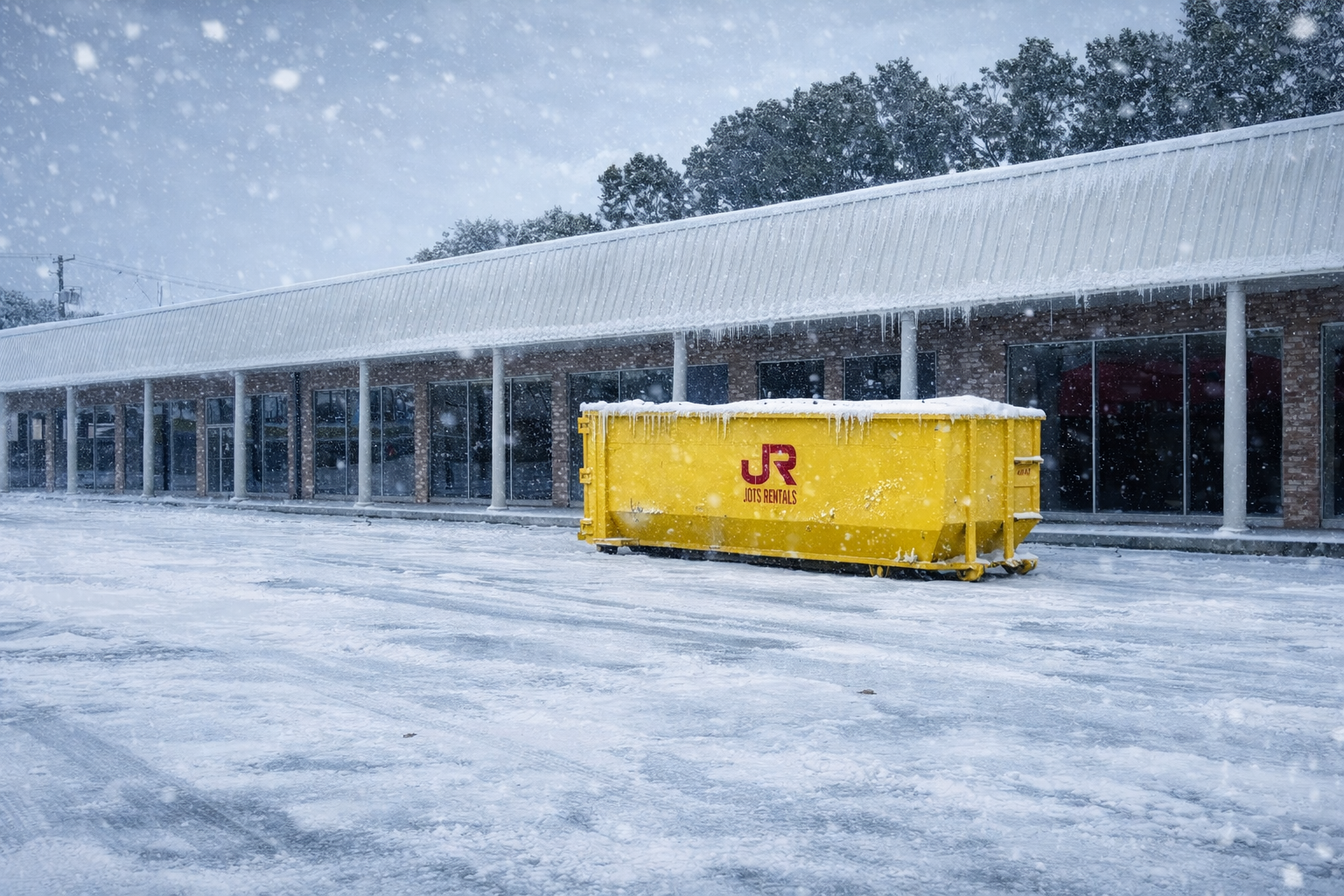
Snow and ice add both volume and actual weight to loads — a wet layer of snow on a full container can push it over the weight limit at pickup. Tarp between storms and sweep loose snow off the top before pickup to avoid added weight and surprise overage fees. Take timestamped photos of the dumpster and weather before pickup to document conditions if needed. These steps help prevent unexpected charges and keep you within weight limits.
What Are the Best Practices to Prevent Frozen Debris and Overweight Charges?
Avoid frozen debris and overweight fees with good handling, covering, and timing. Keep the dumpster covered when not in use to stop snow buildup and slow freezing of wet debris. Load heavy items first and spread weight evenly to prevent local overweight spots. Schedule pickups soon after major loading and don’t leave containers open through multiple storms. Taken together, these actions keep capacity usable and lower excess-fee risk.
For larger jobs or higher-end events, JOTS Rentals also offers restroom trailers with multiple stalls, sinks, and climate control for more comfort on long rentals.
How Can Tarping and Covering Protect Your Dumpster in Winter?
Before and after storms, secure a heavy-duty tarp over the dumpster to keep snow out of voids and stop extra weight. Fasten tarps with bungee cords or ratchet straps to frame anchor points; in windy spots, lay plywood under the tarp for a flat, stable deck. Check fastenings after storms and re-tension as needed so the tarp doesn’t sag and collect snow. Keep a log of tarp checks and storm dates so you can show proactive care at pickup.
Protection Method | Pros | Cons |
Heavy-duty tarp | Keeps most snow out and lowers added weight | Needs regular re-tensioning after storms |
Plywood under tarp | Creates a rigid deck; prevents sagging | Extra material to buy and handle |
Covered/closed dumpster option | Best protection from snow | May be limited in availability or restrict access |
Combining methods — for example plywood plus a heavy tarp — often gives the best balance of cost and protection. The next section covers loading techniques that further reduce frozen accumulation.
Loading Techniques That Minimize Frozen Waste Accumulation
Load dense, drier materials first to make a stable base, then place lighter items and boxes on top. Avoid spreading wet, slushy debris that can freeze into space-stealing layers. Where it’s safe, break bulky frozen items into smaller pieces to pack more efficiently and reduce voids that catch snow. Use a loading schedule for crews so wet materials are added last before a planned pickup. These habits keep usable capacity higher and simplify cleanup in cold weather.
What Safety Measures Should You Take When Using a Dumpster in Winter?
Safety around winter dumpsters focuses on preventing slips, maintaining visibility during short days, and securing gear against wind and thaw cycles. Clear and de-ice walkways, keep the approach well lit for early or late work, and require slip-resistant boots and high-visibility vests for crews. Fasten tarps and lids tightly in windy conditions so covers don’t become hazards. The table below lists common safety measures, when to use them, and recommended materials.
Safety Measure | When to Use | Recommended Materials/Actions |
De-icing pathways | After snowfall and before crew arrival | Salt/sand mixes; reapply after heavy thaw |
Support mats under dumpster | On soft ground or thawing turf | Exterior plywood or contractor mats to spread load |
High-visibility markers and lighting | Low-light winter days | Reflective cones, LED work lights, stakes |
Secure tarp protocols | Windy or storm-prone conditions | Ratchet straps, bungee cords; check after storms |
This quick-reference helps crews match safety measures to common winter conditions and choose the right materials and actions. The next section gives practical de-icing and site-security steps.
Planning a winter event? JOTS Rentals offers special event restrooms designed for gatherings, with features to keep guests comfortable even when it’s cold.
How to De-Ice and Secure Pathways Around Your Dumpster
Start by clearing snow to expose the surface, then apply a de-icing agent that fits local environmental needs — sand is a good option where salt could harm plants. Reapply after storms and every 12–48 hours depending on traffic and temperatures. Remove pooled slush that can refreeze into black ice and mark treated areas with cones or temporary signs until traction is safe. Good lighting combined with de-icing helps crews spot lingering slick spots during short winter days.
Recommended Safety Tips for Winter Dumpster Use
Require slip-resistant shoes and gloves for anyone loading or working near the dumpster and encourage two-person lifts for heavy items to cut fall and strain risk. Use dollies, straps, or forklifts when possible to avoid manual handling of frozen loads. Keep a routine to inspect tarps and anchor points after storms. Maintain clear lines of communication with your rental provider so pickup or repositioning can happen quickly if weather changes.
Where Can You Rent Reliable Winter-Ready Dumpsters in Northeast Texas and Northwest Louisiana?
Local availability and winter-ready logistics matter. In Northeast Texas and Northwest Louisiana, choose providers that list roll-off dumpsters in standard sizes — 10, 20, 30, and 40 cubic yards — and that understand regional snow, ice, and thaw cycles. Ask about driver placement guidance, tarping options, and weather-rescheduling policies so your plan stays flexible and safe.
Why Choose JOTS Rentals for Your Winter Dumpster Needs?
JOTS Rentals is a regional equipment provider offering 10, 20, 30, and 40 cubic-yard roll-off dumpsters suited for common winter projects. We know Northeast Texas and Northwest Louisiana neighborhoods like Longview, Tyler, Mt. Pleasant, Whitewright, and Kemp, and our delivery teams have winter-placement experience. Working with a local company like JOTS reduces uncertainty about access and puts crews in place who understand seasonal conditions for safer, more reliable service.
JOTS Rentals also provides portable sanitation options. For basic needs, our standard restrooms offer essential facilities for any worksite or event.
How to Get a Free Quote for Your Winter Dumpster Rental?
To get a free quote, have a few details ready: the site location, desired dumpster size (10–40 cubic yards), rental dates, and any access notes or winter-specific concerns like steep driveways or frequent snowfall. Ask about tarping or cover options, recommended support mats or plywood, and rescheduling flexibility for severe weather. Providers may ask for photos of the placement area — those help give accurate delivery guidance and avoid surprises.
- Provide Location: Share the general site address and access notes.
- Choose Size: Tell us the preferred dumpster size and timeline.
- Note Constraints: Mention overhead clearances, soft ground, or winter risks.
- Request Options: Ask about tarping, support mats, and winter scheduling.
Following these steps speeds up the quoting process and helps the provider recommend the right unit and placement plan for winter conditions. A clear quote conversation saves time and reduces weather-related issues.
For projects that need extra comfort and hygiene, JOTS Rentals offers deluxe flushable restrooms. These units provide a more refined experience for longer-term rentals or higher-end events.
Frequently Asked Questions
1. What should I do if my dumpster delivery is delayed due to winter weather?
If delivery is delayed, stay in touch with your rental provider — they’ll update you and reschedule when conditions allow. While you wait, keep your access route clear of snow and ice so delivery can proceed quickly once the weather improves. Have a backup plan for temporary waste storage if delays are long.
2. How can I ensure my dumpster remains accessible during heavy snowfall?
Establish a regular snow-clearing plan: clear the area around the dumpster and the truck approach after each snowfall, especially over a few inches. Use de-icers or sand for traction and mark the area with cones or signs to keep vehicles away. Regular maintenance keeps the dumpster usable all winter.
3. Are there specific materials I should avoid putting in a winter dumpster?
Yes. Do not place hazardous materials like chemicals or batteries in the dumpster — cold can affect how some items behave. Avoid dumping large amounts of wet or slushy debris that can freeze into a solid block. Always check with your rental provider for a full list of prohibited items.
4. What are the best practices for loading a dumpster in winter conditions?
Prioritize safety and packing efficiency: load heavy, dry materials first to build a stable base, keep wet or slushy items for last before pickup, and break down large pieces when safe to do so. Use a loading schedule so crews know what to load and when to avoid frozen, space-wasting layers.
5. How can I prevent my dumpster from becoming a hazard during winter?
Keep the area around the dumpster well-lit and free of ice and snow. Secure tarps and covers so wind doesn’t create loose hazards. Maintain clear walkways, use de-icers as needed, and require slip-resistant footwear for anyone working nearby.
6. What should I do if my dumpster is full before my scheduled pickup?
Contact your rental provider right away. They may be able to pick up sooner or deliver a second dumpster if your job needs more capacity. Prompt communication avoids project delays and keeps waste handled properly.
7. Can I rent a dumpster for a short-term winter project?
Yes. Many companies, including JOTS Rentals, offer flexible rental periods for short winter jobs — from a day to a week or longer. Discuss your timeline and needs with the rental company so you get the right size and duration for your cleanout.