Keeping portable restrooms cleaner for longer starts with smart planning, regular professional service, and consistent on-site care so units stay sanitary between pump-outs. This guide walks through the main drivers of lasting cleanliness—how usage patterns, odor control, ventilation, supply management, and scheduled maintenance work together—and explains why these steps cut complaints and downtime. You’ll find hands-on schedules, odor-control options, daily and event checklists, and tips tailored to construction and event use. We also show simple logs and restocking charts that help service teams and site managers measure success. The article answers six core questions: why cleanliness matters, recommended schedules, odor solutions, daily/event routines, use-case differences, and how a local provider can help. Throughout, expect clear steps and quick-reference tables to plan servicing cadence, pick additives, and calculate supplies so units stay usable with less last‑minute work.
Why Is Maintaining Portable Restroom Cleanliness Important?
Keeping portable restrooms clean protects public health, makes users more comfortable, and preserves the reputation of events and job sites by reducing germs, odor complaints, and permit or safety issues. Clean units lower germ transfer at high-touch spots like handles and seats, which helps reduce illness and worker absences. A tidy unit also changes behavior—people are more likely to wash hands and use facilities properly—while dirty units draw complaints and negative feedback. Below we break down the health and business impacts and offer quick takeaways managers can use when planning service levels and supplies.
How Does Cleanliness Impact User Experience and Health?
Cleanliness matters because it cuts contamination on high-touch surfaces—seats, door handles, and waste tanks—and ensures hand-wash stations are available and stocked. Germs on those surfaces move quickly between users, and having soap or sanitizer on-site interrupts that transmission. At crowded events, the chance of gastrointestinal or respiratory spread rises without routine disinfection and supply checks, so proactive cleaning reduces both real risk and how unsafe guests feel. Working hand-wash stations and clear signage encourage compliance and improve overall perception, which ties directly into the business benefits below.
What Are the Business Benefits of Superior Portable Restroom Hygiene?
Better restroom hygiene means fewer complaints, stronger event and contractor reputations, and fewer permit or site issues. That lowers operational headaches and can cut costs tied to emergency service calls. Happy clients lead to repeat bookings and steady contracts. For event planners, clean facilities support positive guest reviews and sponsor confidence; for contractors, they reduce downtime and on-site objections. Those benefits make a strong case for planning servicing and supply needs before units arrive.
What Is the Best Portable Restroom Cleaning Schedule for Long-Term Use?
The right cleaning schedule pairs a baseline professional visit with adjustments for traffic, weather, and event length. Weekly servicing is a sensible baseline for many long-term rentals, with more frequent visits for busy sites or hot weather. Regular pumping, disinfecting, and restocking stop waste buildup and odor growth; mid-week visits on high-use sites reduce overflow risk. The table below gives recommended cadences by common use cases so planners can match service frequency to expected load and conditions.
Introductory servicing cadence comparison:
Use Case | Recommended Frequency | Primary Reason |
Standard long-term rental (low-moderate use) | Weekly | Routine pump-outs and restocks keep units sanitary and odor-free |
High-traffic events or festivals | Multiple times per week / daily for very high traffic | Prevents overflow, maintains supplies, and controls odors during peaks |
Long-term construction sites (steady heavy use) | Twice-weekly or weekly with on-demand calls | Handles shift turnover, dust, and heavier wear to avoid issues |
Short-term special events (single-day) | Pre-event setup + on-site checks during event | Ensures a good guest experience and minimizes complaints |
This comparison shows weekly service as a starting point and explains when to add visits; the next section gives triggers and more precise guidelines for extra service.
How Often Should Portable Toilets Be Serviced and Cleaned?
Service frequency depends on traffic, weather, and unit type. Weekly service works well for many long-term rentals because it includes pumping, deodorizer refresh, and surface cleaning that keep units usable. In hot, humid weather or at busy festivals, multiple visits per week or daily checks are often needed since heat speeds odor and microbial growth. Operators should set clear triggers for on-demand service—visible overflow, persistent odors, or user reports—and create an escalation path so technicians can respond fast. Planning for variable frequency reduces surprises and keeps units pleasant and functional.
What Does Professional Weekly Servicing Include?
A standard weekly service visit typically includes secure waste pumping, interior cleaning and disinfection, deodorizer top-up, supply restocking, and a quick safety/fixture check for damage or vandalism. Technicians pump the tank, refresh chemical or bio-enzymatic additives, wipe and disinfect high-touch areas like seats and door handles, and replenish toilet paper and sanitizer as needed. This routine cuts odors, limits microbial buildup, and prevents many emergency calls. Reliable weekly service creates predictable cleanliness and supports long-term rentals.
What Are Effective Porta Potty Odor Control Solutions?
Good odor control uses chemical, biological, and physical strategies together—deodorizer tablets or liquids, bio-enzymatic additives, improved ventilation, and smart placement—to interrupt odor sources. Chemicals can neutralize or mask smell in the tank, enzymes break down the organic matter that creates odors, and ventilation lowers airborne concentrations. Regular pumping and placing units in shade also reduce heat-driven odors. The table below compares common methods so managers can pick the right mix for their site and climate.
Odor-control comparison table:
Method | Mechanism | Best Use Case |
Deodorizing tablets | Release scent and counteract volatile odors | Low-to-moderate traffic sites that need low-maintenance control |
Liquid tank additives | Coat waste and chemically neutralize odors | Sites with regular weekly refreshes by technicians |
Bio-enzymatic additives | Enzymes break down organic matter to reduce smell long-term | Long-term rentals where biodegradation lowers odor over time |
Ventilation & placement | Increase airflow and reduce heat exposure | Outdoor events and hot climates where dispersion matters |
The table highlights where each approach performs best and how it reduces odor. The next section compares additives in more detail and covers safety considerations.
Which Deodorizers and Waste Tank Additives Work Best?
Deodorizer tablets and liquid additives give quick scent control and are easy to use, while bio-enzymatic products offer longer-term odor reduction by breaking down the organics in the tank. Tablets steadily release scent and work well when visits are frequent; liquid additives mix through the tank and are effective with weekly refreshes. Bio-enzymatic solutions are especially useful on long rentals because they reduce future odor formation, though they may take a few service cycles to show full benefit. Choose additives that balance safety, environmental impact, and the servicing cadence for the site.
How Does Proper Ventilation and Placement Reduce Odors?
Placing units in shaded, breezy spots and orienting them so wind carries odors away from gathering areas reduces what guests notice and slows heat-driven odor release. Vent ports and stack vents help airflow inside the unit and prevent stagnant pockets. Because heat and humidity speed up volatile compound release from waste tanks, avoiding direct sun and using natural airflow cuts perceived odor. Keeping restrooms a sensible distance from food or seating areas limits the impact of any residual smells. Good placement complements chemical and biological controls and extends time between reactive service calls.
How Can You Keep Portable Toilets Clean Daily and During Events?
Day-to-day and event cleaning works best with a short, clear checklist for staff and volunteers: restock supplies, wipe high-touch points, empty trash, and log repairs or sanitation issues for technician follow-up. Regular spot cleaning prevents small problems from becoming big ones and keeps units presentable until the pros arrive. The table below is a restocking reference showing suggested quantities per unit per day so event teams can order the right amount of supplies.
Restocking supplies reference table:
Supply | Recommended Quantity per Unit/Day | Reason |
Toilet paper rolls | 2–4 rolls | Prevents roll-outs during peak use |
Hand sanitizer bottles (small) | 1–2 bottles | Supports hygiene where hand wash stations are limited |
Deodorizer refill | Per service schedule | Keeps odors controlled between pump-outs |
Disposable seat covers | 5–10 covers | Useful for sensitive events or VIP areas |
This quick reference helps event staff estimate needs and coordinate resupply; the next section offers simple DIY cleaning steps for staff and users.
What Are DIY Cleaning Tips for Users and Site Managers?
Quick, safe DIY cleaning focuses on fast wins: wear gloves and eye protection, wipe door handles and seats with an EPA-registered disinfectant or equivalent, empty small trash cans, and replace toilet paper when it runs low. Use disposable towels or spill mats for small messes and log incidents with a time and short note so crews can prioritize follow-up. Never mix cleaning chemicals and always follow product instructions to protect staff and surfaces. These small actions keep units presentable and reduce the workload for technicians.
How Should Supplies Be Restocked to Maintain Hygiene?
Restocking should follow a simple cadence tied to expected daily use: check toilet paper and sanitizer each morning and again mid-event on busier days, and store supplies in sealed, lockable containers to prevent weather damage or theft. Assign a person to track inventory and set reorder thresholds. For larger events, stage deliveries to arrive before peak attendance to avoid interruptions. JOTS Rentals offers restocking and supply services to support this setup, reducing supply-related complaints and improving guest satisfaction.
How Do Cleaning Challenges Differ by Industry and Use Case?
Cleaning needs differ by site: construction favors durability and damage prevention, while events focus on guest experience, appearance, and sometimes ADA accessibility. Choose units that match expectations—standard portable restrooms for general use, wheelchair accessible units for compliance, and luxury trailers for VIP areas. Seasonal factors like winter freeze or summer heat change staffing and servicing needs, so adjust schedules and supplies accordingly. The sections below cover best practices for construction and event settings with actionable steps.
What Are Best Practices for Construction Site Portable Restroom Maintenance?
On construction sites, place units close to work areas but out of vehicle paths, secure them with locks or anchors, and choose heavy-duty supplies and fixtures that withstand rough use. Regular twice-weekly or weekly checks spot damage or tampering early; lockable dispensers and secured toilet paper cut theft and misuse. Position hand-wash stations to encourage use and select reinforced doors and hardware for longevity. These measures reduce repair downtime and keep units working for crews.
How to Ensure Cleanliness for Special Event Portable Restrooms?
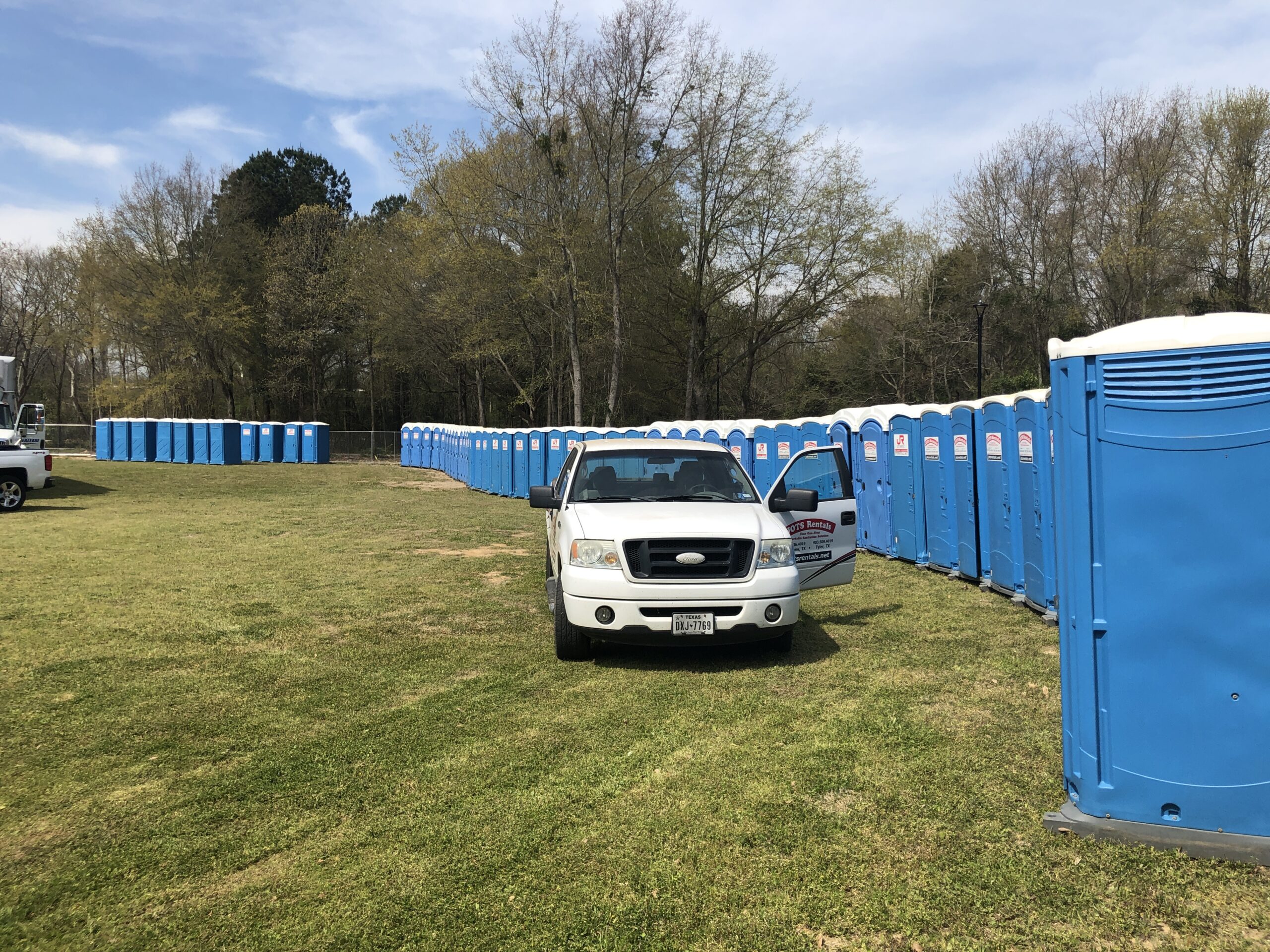
Event cleanliness starts with planning: reserve event-only units rather than using construction stock, stage extra units near high-traffic areas, and staff attendants for large or premium sections to maintain appearance and restock supplies in real time. For higher-end events, consider deluxe flushable restrooms or luxury restroom trailers. Use clear signage, manage trash well, and schedule technician checks during multi-day events to pump and refresh deodorizers. Attendants and premium units keep facilities attractive, cut complaints, and boost guest impressions.
How Does JOTS Rentals Ensure Superior Portable Restroom Sanitation?
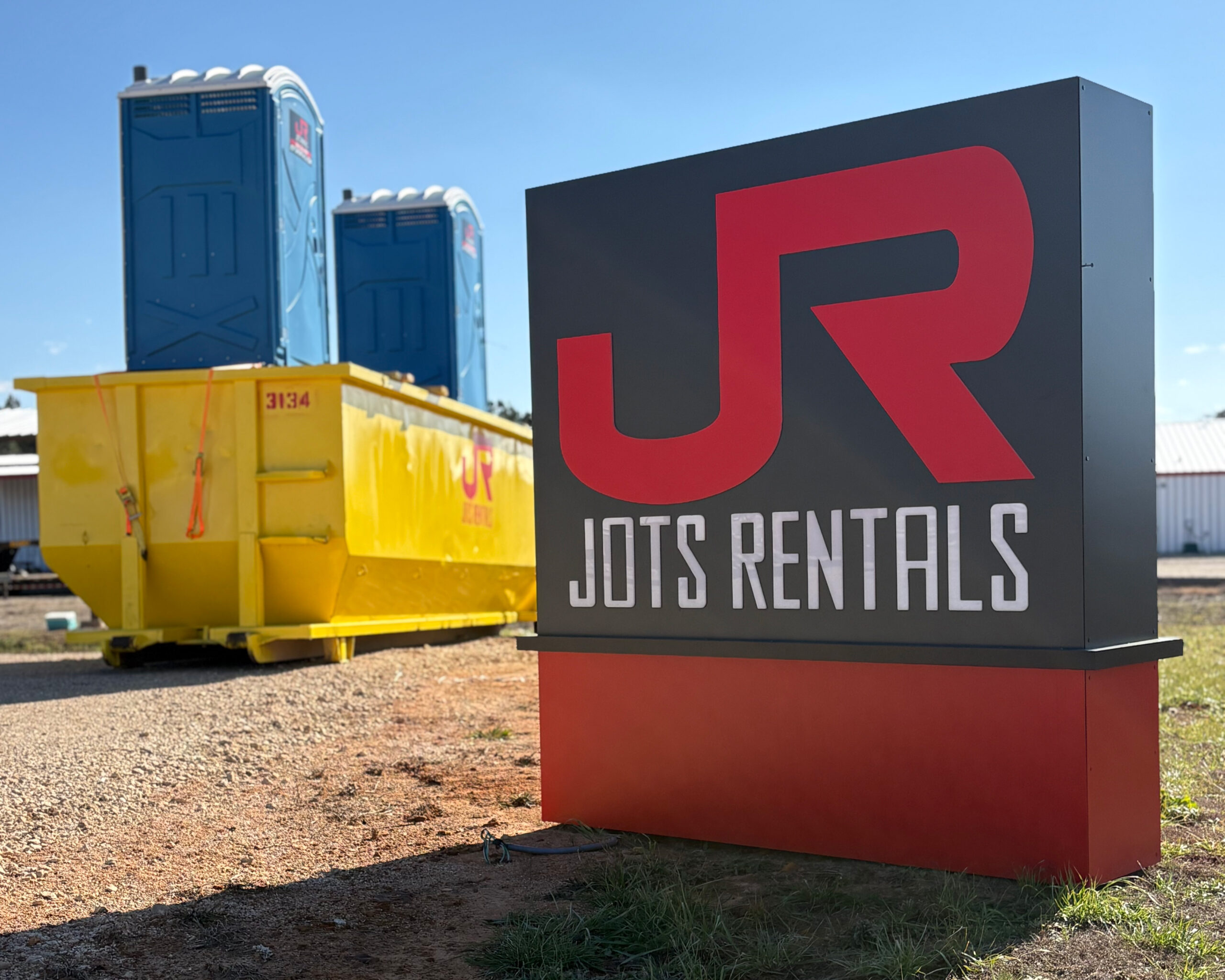
JOTS Rentals keeps units clean through a local service model built around weekly servicing and a range of restroom options tailored to different needs: standard portable restrooms, deluxe flushable units, special event restrooms reserved for events, wheelchair accessible restrooms, and luxury restroom trailers. We also provide hand wash stations and roll-off dumpsters as add-ons and handle professional setup and weekly servicing for restroom trailers. Focusing on Northeast Texas and Northwest Louisiana lets us schedule responsively with regional event calendars and construction cycles. The sections below list specific services and explain how our local experience improves hygiene outcomes.
What Professional Services Does JOTS Rentals Provide for Cleanliness?
JOTS Rentals offers weekly servicing for most unit types, professional setup and weekly care for restroom trailers, and special-event restrooms kept out of construction use. Weekly service includes waste pumping, disinfecting high-touch areas, deodorizer refresh, and restocking of agreed supplies. These routine visits reduce odors, cut complaint volume, and keep units presentable across sites. Our consistent service packages support cleanliness goals and client retention through dependable scheduling.
How Does Local Expertise Enhance Portable Restroom Hygiene?
Being local to Northeast Texas and Northwest Louisiana means our technicians understand climate-driven challenges—heat, humidity, and seasonal event timing—and can schedule visits and choose placements to minimize odor and operational problems. Knowing local event types and construction rhythms helps us anticipate demand and pre-position units or boost service frequency when needed. Faster on-site response and tailored schedules reduce the time a unit spends in degraded condition, keeping restrooms cleaner longer. Our regional knowledge works with technical service to deliver better hygiene for clients.
(For service inquiries or to discuss weekly servicing options in Northeast Texas and Northwest Louisiana, JOTS Rentals can be contacted by phone at (903) 236-4019.)
- Daily quick checks: Perform morning inspections to confirm supplies, wipe high-touch surfaces, and empty small trash.
- Scheduled professional service: Keep a weekly baseline and increase frequency for high-traffic or hot-weather sites.
- Placement and ventilation: Put units in shaded, breezy spots away from dining areas to limit odors.
- Supply strategy: Use locked, weatherproof storage and staged deliveries to avoid outages and theft.
These four steps summarize practical actions managers can take right away to keep portable restrooms cleaner for longer.
Frequently Asked Questions
What are the key factors that affect the cleanliness of portable restrooms?
Several things affect portable restroom cleanliness: how many people use them, local weather, and how often they’re serviced. High traffic speeds up waste and odor buildup; heat and humidity make smells worse. Regular service—pumping, disinfecting, and restocking—keeps units sanitary. Good placement in shaded, ventilated spots also helps. Knowing these factors makes it easier to plan service levels and supplies.
How can event organizers ensure adequate restroom supply during large gatherings?
Organizers should estimate attendance and expected usage, then follow industry guides for the number of units. Add extra units in high-traffic areas and schedule regular servicing during the event. Have a restocking plan for toilet paper and sanitizer, and assign staff to monitor conditions. These steps keep facilities working and reduce guest complaints.
What are the environmental considerations when choosing portable restroom cleaning products?
Choose biodegradable, low-toxicity cleaning agents that disinfect and control odor without harming the environment. Bio-enzymatic additives are a good eco-friendly option because they break down organic waste naturally. Also verify that any chemical deodorizers you use are safe for users and the surrounding area. Environmentally conscious choices help meet client expectations and reduce long-term impact.
How can technology improve the maintenance of portable restrooms?
Technology can help by providing smart monitoring systems that track usage, alert providers when supplies run low, and signal maintenance needs in real time. Mobile apps make scheduling and service logging easier so crews arrive on time. Using tech reduces response times and helps optimize service frequency based on actual use.
What are the best practices for training staff on portable restroom maintenance?
Train staff on hygiene standards, proper cleaning and restocking techniques, and regular inspection routines. Hands-on demonstrations and clear checklists for daily and event tasks boost confidence and consistency. Offer refresher sessions and updates when new products or procedures are introduced to keep standards high.
How can user feedback be effectively utilized to improve restroom cleanliness?
User feedback is very useful. Use simple methods—comment cards, QR-code surveys, or short digital forms—to capture issues and suggestions. Review feedback regularly to spot recurring problems like supply shortages or cleanliness gaps, and act on them quickly. Open communication with users helps you prioritize fixes and improve overall satisfaction.