
Construction
Containers that handle what demolition actually produces
Mixed heavy debris fills a box fast and hits weight limits faster. We size for the material, schedule the swaps, and keep the crew moving.
- 40 yard containers for mixed structural teardown debris
- 10 or 20 yard for concrete, brick, block, and dirt
- Scheduled swap-outs rather than call-when-full
Mon–Fri 7am–5pm · 24/7 emergency service available
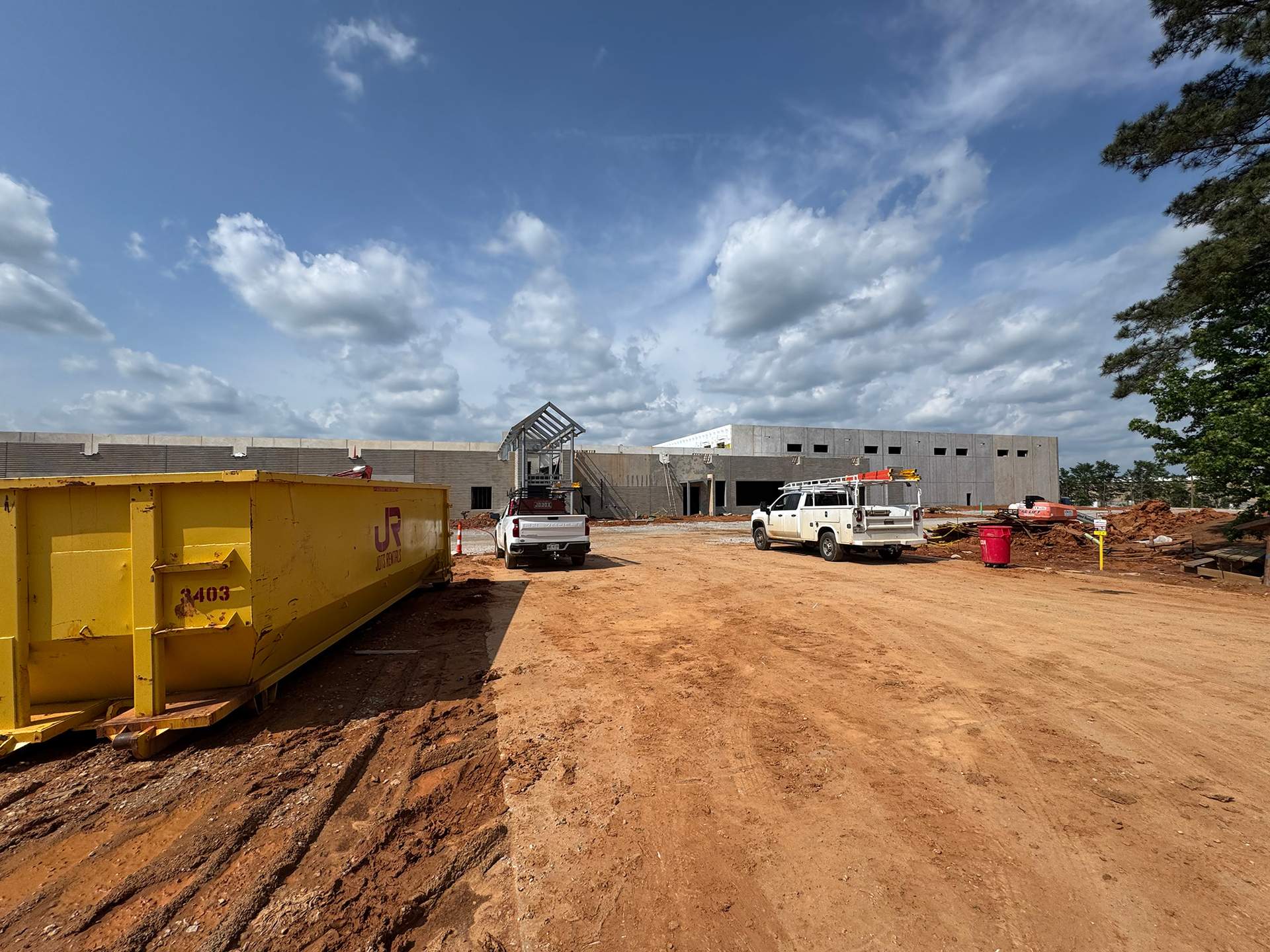
Sound familiar?
- One container ordered for a job that needs four
- Heavy material loaded into a box that cannot legally be hauled
- Swap-outs that arrive days after the box filled
- Prohibited material discovered at the landfill, not on site
Size for the material, not the building
Demolition produces the widest range of debris of any job type, and the mistake that costs the most is treating it as one thing.
Mixed structural debris — framing, drywall, roofing, cabinetry, fixtures — is bulky and moderately heavy. That is 40 yard territory, and the 40 carries the largest tonnage allowance we offer.
Dense material — concrete, brick, block, tile, dirt, asphalt — goes in a 10 or 20 yard. Not because there is less of it, but because a truck has a legal axle limit. A small box filled with concrete can outweigh a large box filled with furniture, and an overweight container is one that cannot leave your site.
If the job produces both, run two containers rather than mixing and hoping. It is almost always cheaper than a rejected load.
Sequence the swaps
On a teardown, the container is the bottleneck. A crew that fills a box by 10am and waits until tomorrow for an empty one lost most of a day.
Tell us the demo sequence when you book and we schedule swap-outs against it — same or next day in most of our service area. Planned swaps beat reactive ones every time, and on multi-day demolition they are the difference between a crew that keeps moving and one that stands around.
Interior strip-outs are their own problem
Gut renovations and tenant-improvement demo generate volume in bursts, usually with limited access. The container often has to sit further from the work than anyone would like, which makes placement worth a conversation before delivery rather than after.
For occupied buildings, plan for the box to be visible and in the way of somebody — schedule the rental to start when loading starts rather than a week early.
Crew facilities on a demo site
Demo crews are often the first trade on a site and the last to get facilities planned for them. Standard units at one per 10 workers, a hand-wash station near the break area, and weekly service that starts the day the crew does — not the week after somebody complains.
What we usually recommend
- 40 yard containers for mixed structural teardown debris
- 10 or 20 yard for concrete, brick, block, and dirt
- Scheduled swap-outs rather than call-when-full
- Restrooms and hand-wash on site for the demo crew
We also serve
- Full structural teardowns
- Interior strip-outs and gut renovations
- Commercial tenant improvement demolition
- Fire and water damage remediation debris
- Concrete, asphalt, and slab removal
Not listed? We rent to job sites of every kind — call and describe it.
Common questions
What size container does demolition need?
A 40 yard for mixed structural debris, which is bulky as well as heavy and carries the largest tonnage allowance. Concrete, brick, and dirt go in a 10 or 20 yard instead, because dense material reaches the legal haul weight long before it fills a big box.
How do swap-outs work on a teardown?
We schedule them against your demo sequence instead of waiting for a call. Same or next-day swaps are normal, and two legal loads always beat one overweight container that cannot leave the site.
What cannot go in a demolition container?
Tires, batteries, paint, solvents, oil, chemicals, appliances containing refrigerant, and anything flammable. Ask before it goes in — a contaminated load carries a disposal fee because the landfill charges us separately.
Other construction jobs
Service area
Serving 300+ ZIP codes across East Texas, North Texas, and DFW
Five yards — Longview, Tyler, Kemp, Mt. Pleasant, and Whitewright — so a truck starts close to your job rather than driving across the state to reach it.
See every town we serve- East TexasLongview YardGregg · Harrison · Upshur
- East TexasTyler YardSmith · Cherokee · Henderson
- Southeast DallasKemp YardKaufman · Henderson · Ellis
- Northeast TexasMt. Pleasant YardTitus · Camp · Franklin
- North TexasWhitewright YardGrayson · Fannin · Collin
43 counties · 300+ ZIP codes. Not sure if we reach you? Call and ask — we cross our own boundaries regularly.
Ready to get it handled?
Call now for same-day answers, or send the form and we will price it today.
Mon–Fri 7am–5pm · 24/7 emergency service available